“Home sweet Home”, my grandmothers favorite phrase whenever she was trying to get both me and my brother to leave our fun outing and go back home. I used to get angry when I would hear those words. I wanted to be anywhere except home. The home she made for us was descent. But the 10+ homes we had before her home… chaos. Loneliness. Sadness. Trauma. In adulthood I would have more chaotic homes. Including a dash of domestic violence. And sometimes my partners either didn’t want to purchase and make a home with me, or they couldn’t afford to.
Now, I know what my grandmother meant. I take the concept of a peaceful and comfort home very seriously. And I wanted my new home to invite me with a warm greeting in every room. I want everything around me to be useful or visually appealing. I want my mental health improved by my surroundings.
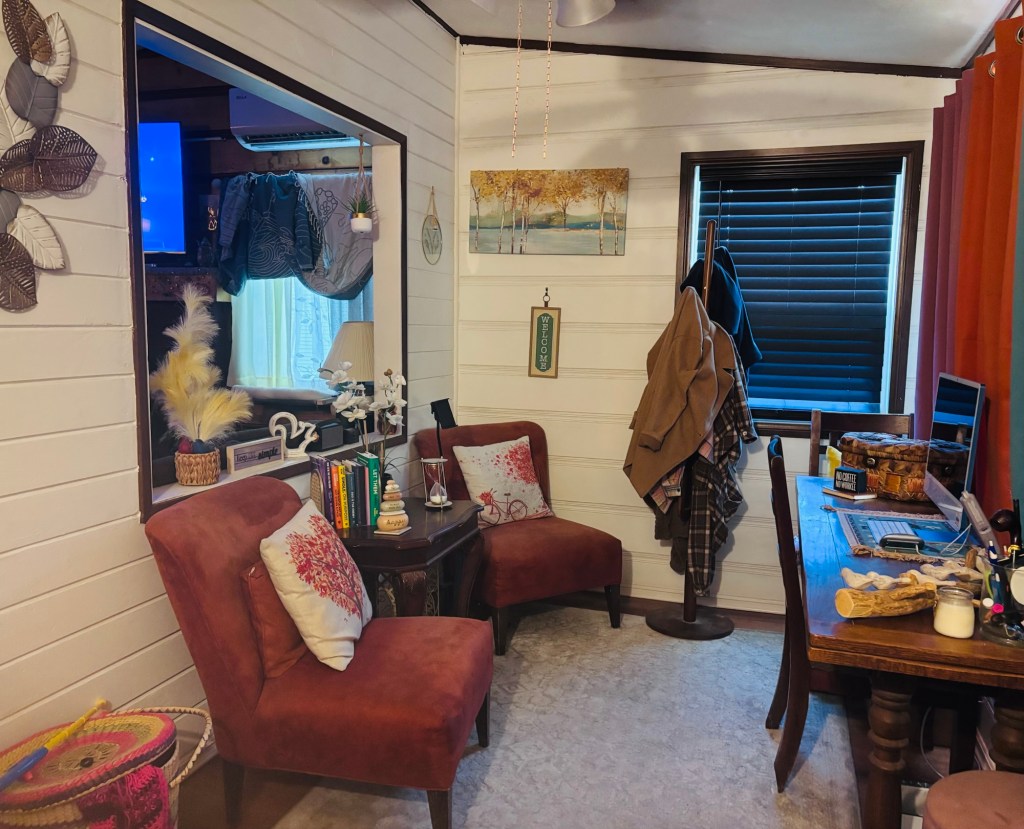
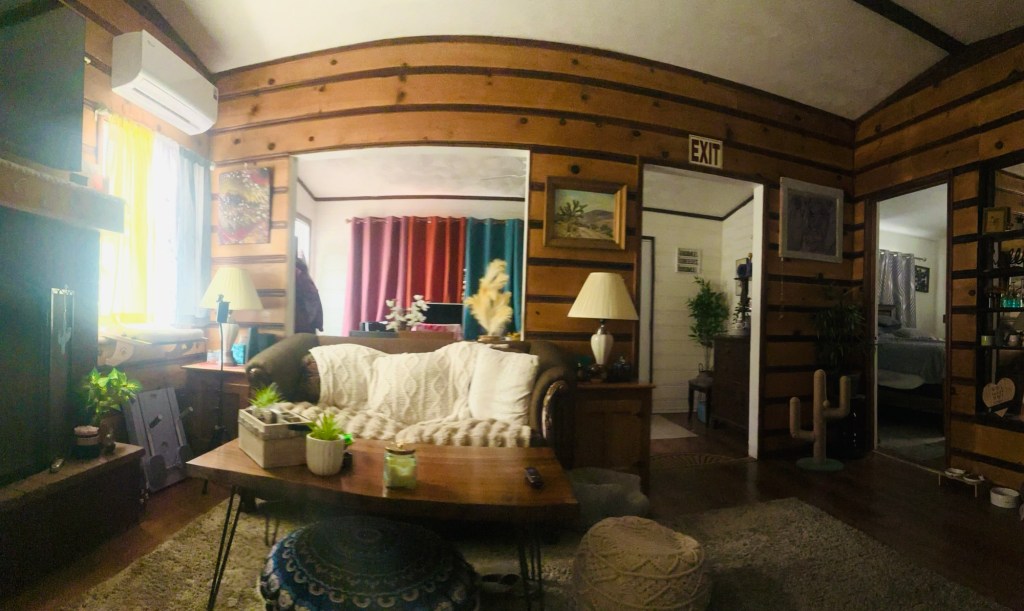
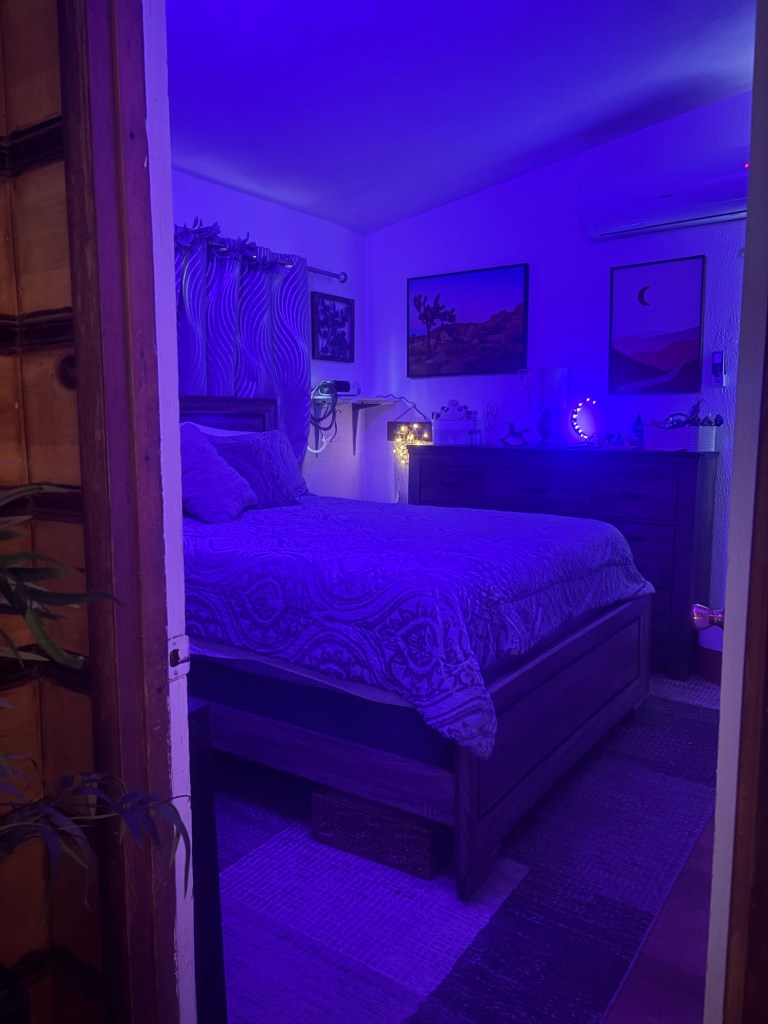
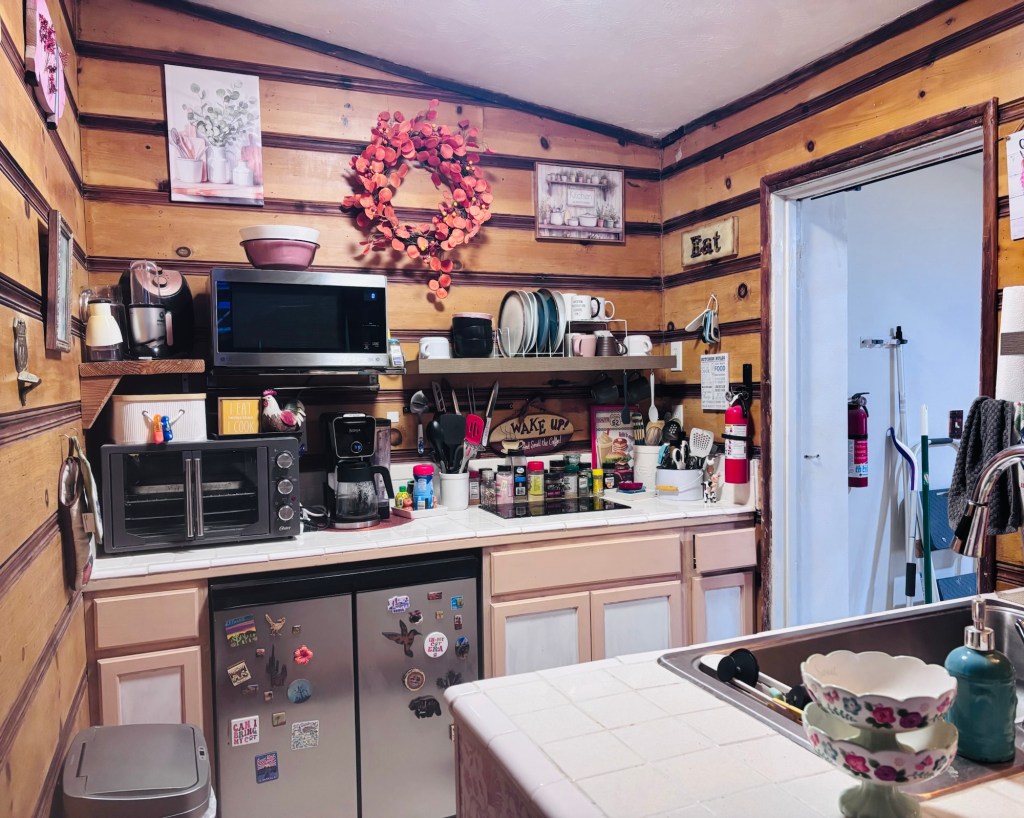
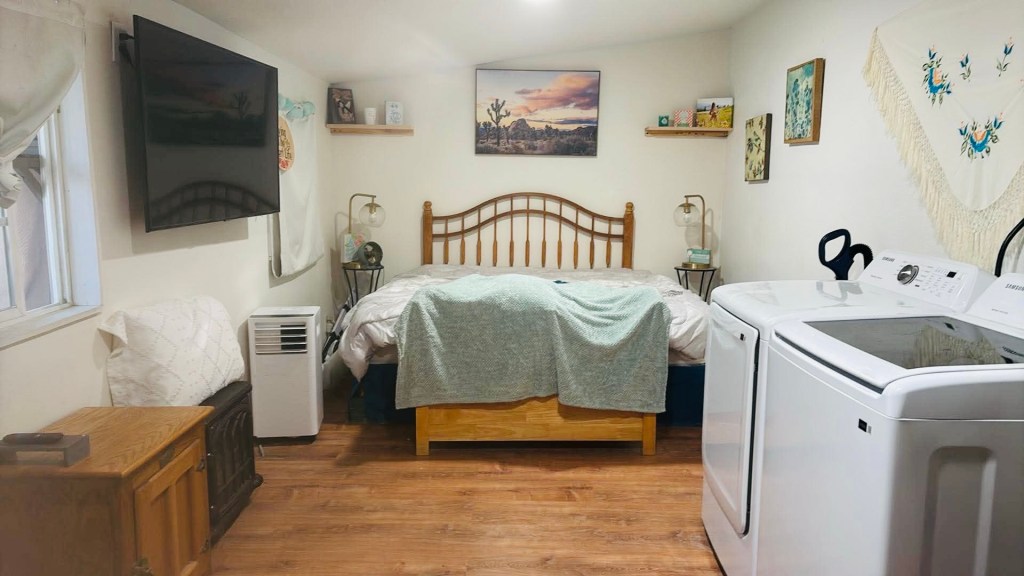
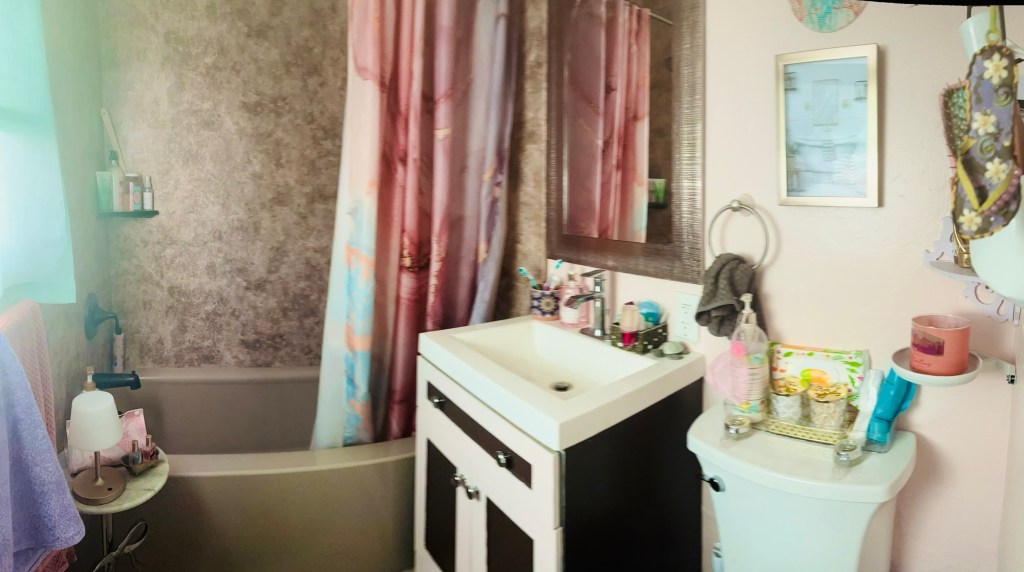
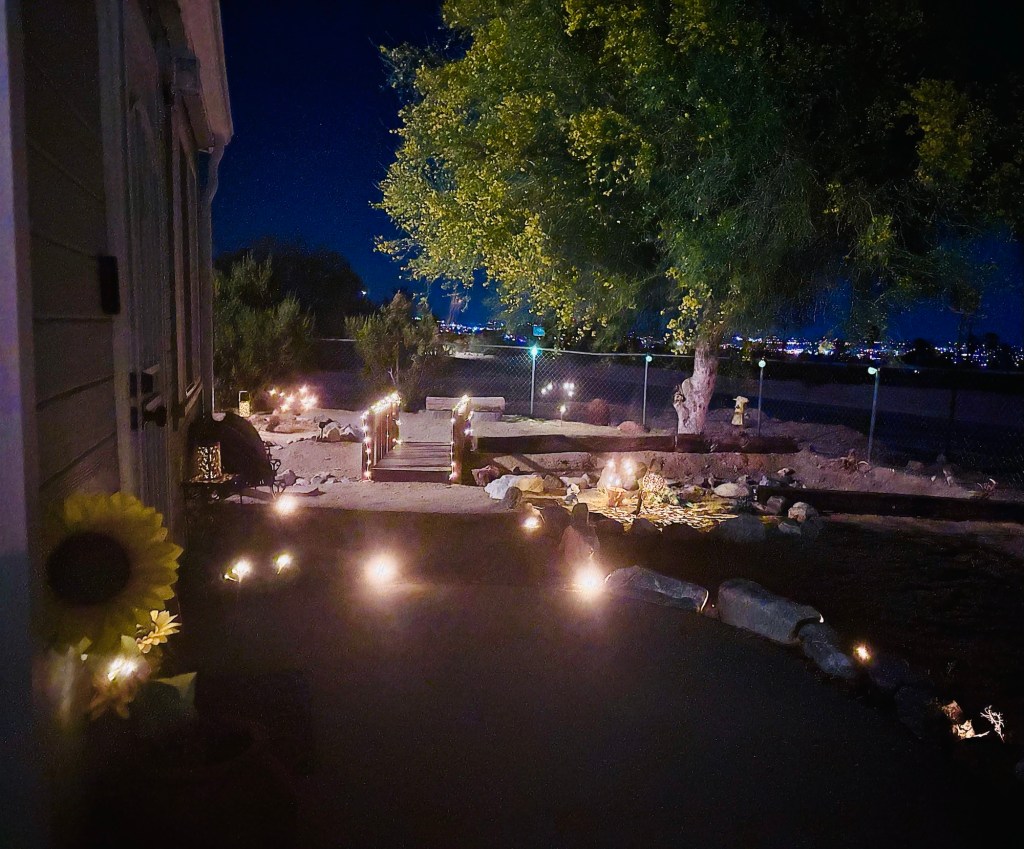
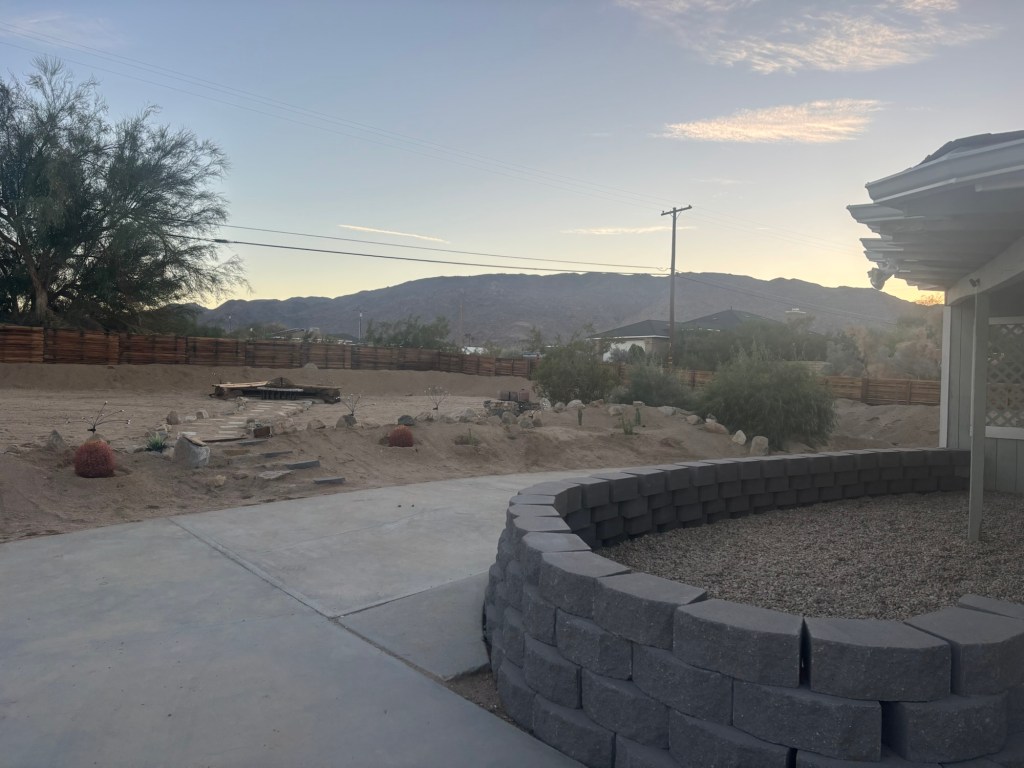
I am greeted by a beautiful foyer space when I enter my house. It’s my study place/ office. It’s wild to think that having a desktop computer is “old fashioned”, but now it is. The world is full of iPads and laptops. But nothing beats the feel of going into a study, sitting at my desk with my coffee in order to write my poetry, blogs or books. The theme of this room is …. Fall season. My living room has the cozy cabin feel that I have always wanted. Fun fact about me, artificial lighting gives me pounding migraines. So a dark room is necessary, but I didn’t want it to feel both dark & depressing. So I used bohemian inspirations with bright fake plants, cozy poufs, & jeweled tones. Psychologically, Bohemian decor provides a sense of safety, well being, and relief. When a space feels lived in, it gives you permission to be yourself. And I do spend more time in this living room than anywhere else. A bedroom oughta be simple. You sleep there, you get changed there. Therefore, a bed and space for clothes and accessories is really all that’s needed. I’m a huge fan of purple lighting for my bedroom. The strange thing is, through research, it appears that this type of light could promote wakefulness. But then again, I could drink coffee and still pass out. For me, I believe the purple light sets the tone for rest, recover, relax. The theme: Desert at midnight.A lot of people believe that my kitchen was the sacrifice. Honestly, I love my tiny kitchen. I love only having a two burner stove, because I was always too afraid to reach over heat to the back burners. I love my spices and spatulas being accessible. Im okay with a small fridge, because I don’t like big grocery shopping. I love a toaster oven instead of a huge conventional oven that I would have to clean too hard. I love my sink being on a peninsula away from my stove. And I love the country kitchen theme I’ve created.My guest room is the brightest room in the house. It’s also storage, laundry, and extra pantry space. I barely changed it. This design was from the owners before me. So this rooms theme stays; Desert Morning. Versus the midnight desert theme where I sleep. 🛌 I’m just grateful to have the extra space, and my friends and family pass out so fast on the memory foam. I’m not always girly, but YES. My bathroom needed to be. I remodeled with a new tub and shower wall. And from there, I picked out a color scheme. It just kept getting better and better. Rose golds, pinks, turquoises, lavenders and greens. Every towel I own matches the aesthetic as well. It’s also well stocked with shower steamers & sprays, bath beads, bombs and salts. I wanted every shower or bath to feel like a spa experience.The yards are not be exempt. I capitalize off of the bright sun in the desert. Solar lighting is the affordable way to go, and it’s so easy. It makes a simple yard come to life at night time. I love a yard that looks simple, clean and elegant. I love coming home and being greeted at the front door with this design. My backyard also has some new wonderful solar lights. But I wanted to show the nice clean feel in the daylight. Simple. No junk. A clear separation between gravel pit, driveway, and sand. After a huge flood last year, my backyard was destroyed. After a mass/ expensive effort from contractors and loved ones, it’s better than ever, and properly trenched!!!
I am afraid that we are perpetuating a visious cycle. We tell people, after heartbreak due to betrayal, to simply take the time to ‘heal’. Then, eventually, they should put themselves out there again. To possibly get hurt…? Again? This advice is probably fine for someone that had an amicable break up, but for those that were betrayed to a point that they developed complex trauma symptoms, it’s not as simple as ‘time’ and ‘healing’. In dating, when people get into new relationships when struggling with distrust from the last relationship, they do more damage. Because even if time passes, the wounds will likely flair up again, the second people develop a new romantic connection. These are also known as fear based relationships.
Plenty of traumatized people are going around traumatizing each other; creating a society full of distrust. In dating, in platonic relationships, in work relationships, family relationships and so on. The reason the issue tends to be more potent in romantic dating, is because this type of relationship is ‘higher stakes’. What does this mean? High expectations, more energy put into the relationship, and therefore a higher likelihood of let down, betrayal, pain, heartache. In modern times, we have conflicting messages. Some say we should ‘raise our standards’ to protect ourselves from being hurt. Others say we need to lower our standards and be realistic, because no one is perfect and we will have to ‘settle’ if we want to settle down. It’s literally in the phrase.
To love means to risk. But are we taking it too far? Are we too wreckless or are we too guarded? Some will say that we shouldn’t make choices based off of our trauma? But is that necessarily a bad thing? Trauma creates walls to protect us, and we decide who will get the key to the door next. Not based on a strong chemical feeling, but based on discernment and time. And when it comes to love , there are many artificial things disguised as love. As we gain experience and hurt, we learn the difference.
Control disguised as concern: Has anyone ever ‘cared about you so much’ that it felt smothering? They wanted your location? They needed to know where you were at at all times. They made it clear that they could not relax unless they knew you were safe and breathing. But, it felt like you had to give up your autonomy and your peace to give them this reassurance. They do not call it control of course. They might disguise it as anxiety/ concern. The point isn’t to ensure you are well, it is to help them feel less helpless and to have more of a sense of control. If you have already let them know that this behavior stresses you out and they continue to do it, they decided that taming their anxiety is more important than your peace. Their trust issues have morphed into abusive behaviors. If you are a victim of this, you could become more guarded/ withdrawn. If you are the perpetrator of this , you are only perpetuating your own suffering. The more you try to control, naturally , the more others will pull away; triggering even more attachment anxiety.
Love bomb disguised as romance: Relationships are transactional things. It is rare that it is solely about romance/ loving feelings and nothing more. This isn’t to push people into pessimism or hopelessness, but to help people be more aware. If someone is selling you what feels like a fairy tale love story, there are important follow up questions. Love alone cannot build a long term committed relationship. Toxic love could also put you at risk of staying in an unhealthy relationship for too long. Those powerful dopamine and oxytocin chemicals may cloud your judgement. If it feels like someone is love bombing you very hard and fast, explore the possible ulterior motives based on the information you have so far. The harder thing to combat is the denial. When in love, you may want to believe in the best case scenerio because the feeling of love is addicting.
Toxic situationship disguised as ‘casual’: Two parties agreeing to casual? Fine, nothing wrong with that. One party talking casual, while the other person hopes to go from casual to serious? This is the path to the toxic situationship. One person is strung along and delusional, the other is gaining benefits without exerting much energy. Many people with trust issues love situationships. They can reep rewards without risk. I always say that the person that ‘loves less’ in a relationship dynamic, has more power and control. And this is an ethical responsibility that many people abuse. Love is a very easy thing to exploit. Understand that when you are in love, you are vulnerable. If someone is deeply in love with you and you do not feel the same, you hold a lot of power. You have an ethical responsibility to not abuse the power. If you abuse it, you are more guilty than the delusional person that stayed. You will hurt them and perpetuate the culture of dating distrust.
Time filler disguised as possible interest: Now people talk about ‘the roster’. There’s nothing inherentaly wrong with dating multiple people, if you are honest about it. meaning, no one that you are talking to or dating should be led to believe you are monogamous with them, if you are not actually monogamous with them. If you are leading a roster of people on to fill your time and to get you some attention/ dopamine, but then you drop them for someone else out of no where, you are the perpetuating pain/ distrust culture too. Using the label of ‘single’ as your excuse to be unethical and lie or lead people on is a cop out. If you care about someone, and you know that the truth will hurt them, so you hide it, you know what you are doing. On the flip side, when you’re in the early stages of casual dating, you have to be aware of the fact that other people may approach it differently. Some people become monogamous after the first romantic talk, others do not become monogamous until after an exclusive relationship is agreed upon. Or, some people are polyamorous and will not become exclusive to you, ever.
The relationship escalator as the ‘end all be all’: The relationship escalator is a social construct that we have built based on love, connection, sovereignty, social influence, religious practices, values, morals, ethics and more. It is the concept that when humans are in love, they are ‘supposed to do x,y, z about it. Maybe date first and become monogamous together, eventually commit with a ring, move in together, have kid’s and be together forever etc. This construct became so reinforced over time (in only some countries) that it turned into concrete practices/ values/ beliefs. So much to the point that plenty of people become hurt, upset if they fall in love with someone that does not want the same thing. People that do not want the escalator become judged/ ostracized in society, and people that tend to conform might settle too fast/ too soon; in the Honeymoon phase. It’s toxic to rush someone or force someone into this escalator. It is also toxic to lie and pretend that you want it when deep down, you do not. These lies lead to double lives, resentment, lying, cheating, betrayal and so on.
Conclusion; Reflective prompts: Where do you start when you want to date or love with honest intentions? When you want to do more good than harm and when you want to do your best to prevent the spread of distrust in dating? Start with your values? What do you actually want with love and dating? (Stick a pin in what others have told you to want) How have you accidentally hurt people over the years? Did you have good intentions but notice that you have patterns or themes? Have you felt conflicted in relationships before? What lies did you tell to keep the peace? Did you know when to detach? Or, did you stay for far too long? And if so, why? Can you have difficulty conversations about love or the relationship or do you run away from it? Can you trust others or have you found a way to categorize and comparmentalize your trust to your benefit? What are your deep internal wounds in your earlier relationships and how do they make you vulnerable to being hurt again?
Interviewer: Elisa A. Escalante/ LCSW / Writer/ BJJ practitioner
Interviewee: Jose Rosado / Stage name: Salsa Picante / Exotic Dancer/ Martial artist
I met Jose Rosado back when I lived/ worked in NYC and trained at several different martial arts gyms. The amazing thing about martial arts is that it brings together many different people with diverse training goals. I trained for self defense and competition. Jose trained for competition and to look good for…. exotic dancing. Back then, I had no clue about his profession. Most people at the gym do not even ask people about their personal lives, we just focus on beating each other up or self defense. Since Jose is a former martial arts buddy, I asked if he would be willing to discuss the mental health side of his profession. I see exotic dancing as a way to create peoples ultimate fantasies. People pay big money for a night of exotic dances. The costumes, the energy. The lust, the touching, the fantasy. There is a lot more to it than people think
Elisa Q- While watching your podcast interview, you describe your non stage personality (Jose) as calm, regular, funny, classy, and then you describe your alter dancer personality (Salsa Picante) as hyper, freaky, energetic, with an exhibitionistic nature. How do you compartmentalize these two alters?
Jose A- It didn’t happen overnight. When I was younger, I had a lot less control over which part of me was going to come out. It takes a lot of mental exercise, and overtime you adapt. Work is work, and there’s my separate personal life. I can be spontaneous and I can have my calm moments. Overtime I have become more mentally strong/ composed, I put things in there separate fields. And technically, I have 3 alters. I have calm Jose…. , crazy salsa picante, and then when I fight, I’m known as “The Pit”. 2/3rds of me I wouldn’t classify as ‘normal’. Normal means waking up with a 9-5 job, with a hobby and some TV time after. But my crazy side loves danger, adrenaline, the anticipation of getting in trouble. I love when ppl say I cannot do something. If they challenge me with I can’t, I want to do it even more. But regardless of what I am doing, I see it as art.
Elisa Q- Would you say that anyone has wanted to date you for the ‘wrong reasons’? AS in they wanted to date Salsa Picante versus Jose? And their expectations were unhealthy? Or has anyone that dated you tried to get you to leave the profession?
Jose A- Both have happened to me. They either want the energy or they want to dim my energy and get me away from the profession. Obviously I never stopped dancing, so the relationship never gets that far if they want to change my lifestyle. When they fall in love, they want me to stop dancing. They also want me to slow down. But I’m not going to stop, if you can’t keep up, that’s it. I’ve had some stalkers before as well, I’ve had to block some women when it get’s too intense and the attachment goes too far.
Elisa Q- When you are examining women in your line of work, what are the non verbal cues you pick up on? Does their body language and facial expressions tell you how to treat them? Dance with them? Touch them and talk to them?
Jose A- Absolutely. They tell me what they need to know with their expressions and mannerisms. The more shy they are, the more I see them as a challenge. But when it’s my show, it’s my domain and rules. What I say goes. I love taking charge and helping them get out of their shell. And so far, no one has ever complained. I can also respect their boundaries and walk away from them. Slowly but surely, they come around and they want what was originally offered. That’s how I know I’m reading them right.
Elisa Q- Do people have unreasonable expectations toward you when you are doing your job? Any examples?
Jose A- Now, yes, because I break the rules a lot. I do what the crowds want, I’m a crowd pleaser overall. If my integrity is going to be diminished, I won’t do it. I couldn’t dance for an all men show, maybe coed. Some people have wanted to take me out after a gig, I’ve had women that waited for me after the show because they want an ‘after party’ so to speak. Sometimes they want my number. But I have strict rules with clients now; no kissing and no sex. So I will respectfully turn that down, to keep work as work. Besides, If I were to give it all away, they wouldn’t want more.
Elisa Q- When you are entertaining women specifically for the bachelorette parties, can you usually tell whether or not their marriage is going to be a happily ever after? I imagine you may have also seen quite a bit of infidelity take place in your line of work?
Jose A- I have seen infidelity in my career. I feel bad. It’s my fault and not my fault. If it wasn’t me they would have hired someone else and done the same thing. But I do know that some couples have not gone through with the wedding due to seeing videos of the bachelorette parties. And, roughly 90% of my clients have wanted to do something sexual with me after my performance.
Elisa Q- Have you ever dated or at least been close friends with a woman that dances exotically? Any differences or similarities in the experiences between entertaining men versus women in this line of work?
Jose A- Absolutely, we even have debates in the locker room. About how we dance, and about the clients. Overall females do get more attention in this profession, but, when it’s ladies night it get’s wild for us men. It get’s crazy. I don’t compete with the women dancers though, because I love women. I like to give them pointers, and I will tell them what guys like. Sometimes they get nervous when I help coach them. They’re intimidated by performing for another professional But overall, I would say that women have the edge. They have more to flaunt, and men, overall have less standards.
Elisa Q- When you initially started dancing, were you nervous? How did you get through those mental roadblocks? Do you or did you have social or performance anxiety at any time? Also, you did MMA …. which is scarier? Dancing naked or fighting someone in front of a large audience??
Jose A- I was nervous at first. I got through the nerves from my first show with liquor. 3 shots of tequila. Easy. As far as which one is… scarier? I get a bit more nervous with fighting. Because I’m the type of guy that wants to deliver. I feel like I have to win. I’m very competitive, and the pressure in fighting is more heavy. There’s also the risk of getting hurt. I wouldn’t say I’m ‘scared’ either way. I do feel like I”m fearless, but fighting is more…. nerve racking.
Elisa Q– How do you deal with people that judge you based off of your profession? Whether it’s family, friends, acquaintances or talking stages? And, What are some common misconceptions about your line of work?
Jose A- Everybody is judging me. Family, friends, girls I’m talking to. They ask me what I’m doing all the time. They bring up the fact that I have a daughter. They want me to go to college etc. But some of my good friends are excited about my life and it’s ‘crazy’ to them. Three categories, people that support me, people that judge me, and people that are jealous. With my line of work people think I’m a ho. And since I also fight, they think I’m violent. I’ve been accused of being a drug dealer too. People will say anything.
Elisa Q- If a young adult looks to you for guidance because they are interested in becoming a dancer, what advice would you give them? Any precautions? Would you encourage or discourage it?
Jose A- It’s definitely not for everybody. It’s definitely not for shy people, and you have to really want to do it. It’s not for people that want the 9-5 stable life. It’s not for people that do not like pressure. You have to work harder than most people think. You have to practice dancing, you have to stay in shape. You have to groom yourself and look good. You have to think about the crowd and entertain people for long periods of time. There’s also a larger risk of being embarrassed and getting boo’d. It’s definitely not easy. I’ve had to kindly tell people that they were not cut out for it. Some of them were too timid/ nervous when they danced and so they couldn’t entertain properly. You either got what it takes, or you don’t. My life aligned with it perfectly.
“ You left me with a memory. But how can I live with that? I don’t need another reminder, that there was once a home, that almost felt like home.”-EaE
Maybe I should start by sharing a list of things that I was promised, but did not receive. Help with chores, bill splitting, saving for a home together, marriage (back when I wanted it), meet ups, dates, mind blowing sex, getting my money back after I lent it out, consideration, honest communication, reciprocal energy etc. I’m not saying that I never received these things ever. I’m saying that plenty of people promised these things, and could not deliver. Then I wonder why. Is it manipulation? Is it people with good intentions but they over estimate their love toward me and their abilities? Either way, it’s harmful. A promise can create hope, a hope can get destroyed, the destruction may cause thought spirals and emotional dysregulation. It seems so small, but overtime, future faking can cause more trauma and trust issues. I found myself asking my friends: Is it possible to die from dissapointment? It sounds dramatic, but I experienced somatic symptoms. I felt as if I was sinking deeper and deeper into a black hole due to the dissappointment of people constantly future faking me for their own selfish gains. It has led me to a point in my life where I cannot believe anyone, at all. And that is unfair to the people in my life that have good intent and mean well.
Why do People Future fake?
Temporary relief: The less malicious reasons to future fake include deflection and instant gratification. For example, if someone tells their partner they will do the chore, but they do not do it. They just wanted their partner to believe they will do the chore so they will stop nagging them. A parent tells their child that they will take them to do a fun activity so the child is happy again, but then there is no follow through. The first example was deflection in the sense that it get’s someone out of the ‘hot seat’ so to speak. The second example was instant gratification because it put the child in a better mood. Unfortunately this type of future faking does not involve any consequential thinking. Eventually that person that received a promise will eventually feel let down if they do not receive it. And if someone makes a promise that they do not keep, technically, they lied. Some people believe they are doing the right thing by giving people pretty words that can cheer them up, but the outcome of them being let down in the long run will do more damage. This act will cause people to destroy their foundation of trust that they have built with another human.
Influencing behaviors: The malicious reason people future fake; it is about manipulation and ulterior motives. A narcissist/ pathological liar pretending they have a good job, money and they love someone in order to convince them to move into their home and then using them for their home and money. (Yes this happened to me) Someone pretending to care about someone else only to access their body, and then discarding them after. (been there as well) Promising/ Pretending to be monogamous with someone so that they will give you monogamy back, but then cheating on them. (yesX3) These behaviors are quite evil. These types of people can only be described as… people without values/ morals or ethics. People that operate from defense mechanisms and distorted thoughts. Every perpetrator of manipulation I have experienced had a ‘point of view’, but it was flawed and built off of their trauma; in the worse way possible. And maybe it’s not trauma at all. Some people are sociopathic and enjoy hurting others for a dopamine fix. Maybe they enjoy the reactions they get, maybe it feeds their ego. Maybe it makes them feel powerful to control/ manipulate other people’s choices through the act of deciept.
Promises made during a stage of life: Now, let’s go ahead and go back to giving some people the benefit of the doubt. Some people truly make promises that they believe in; at the time they make them. A common example would be Wedding Vows. Most couples that are getting married are in love, and the love is so deep and intense that they truly believe they can contain/ maintain that love forever. Obviously a large chunk of people cannot live up to the wedding vows. Were they lying? Probably not. Did they over estimate what love can do for them and their relationship? Did they over estimate their ability and capacty to love? YES. After promises are made, some people feel obligated to keep up with the promises, sometimes long after the feelings fade. This can cause a lot of conflict. What they promised/ set out to do is no longer in line with how they truly feel. This is where people are at a high risk of living double lives and lying and/ or cheating on their partners. What started as good intent, ends up turning into future faking someone into a ‘happily ever after’ fairtytale, that’s actually more equivalent to a nightmare.
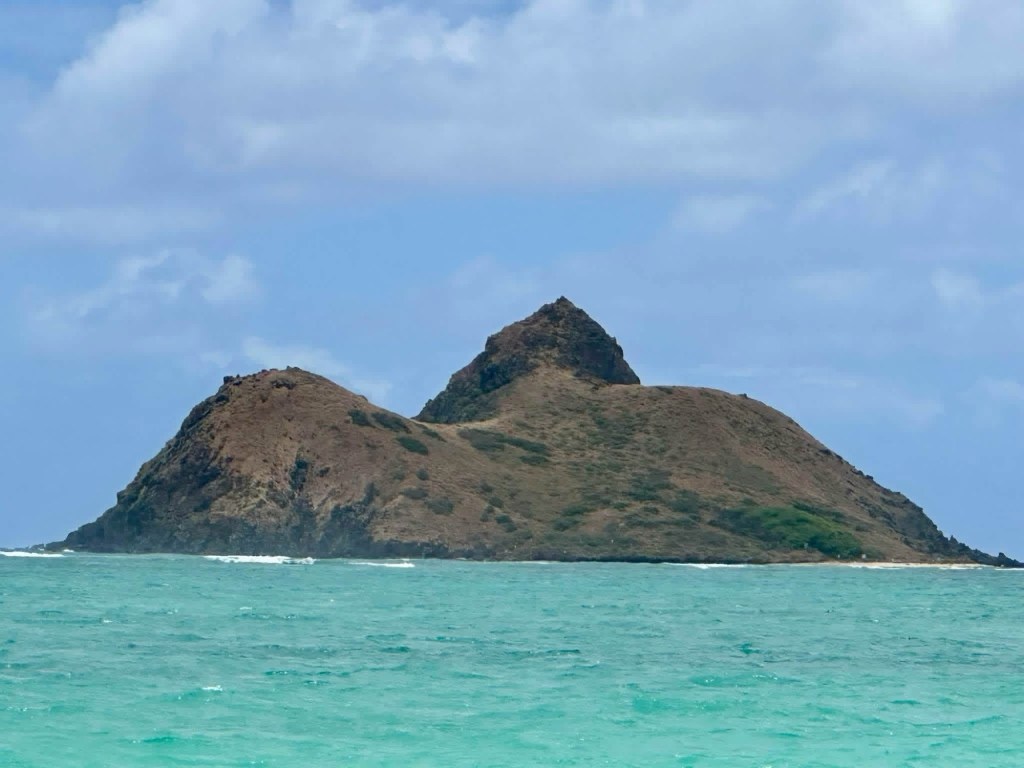
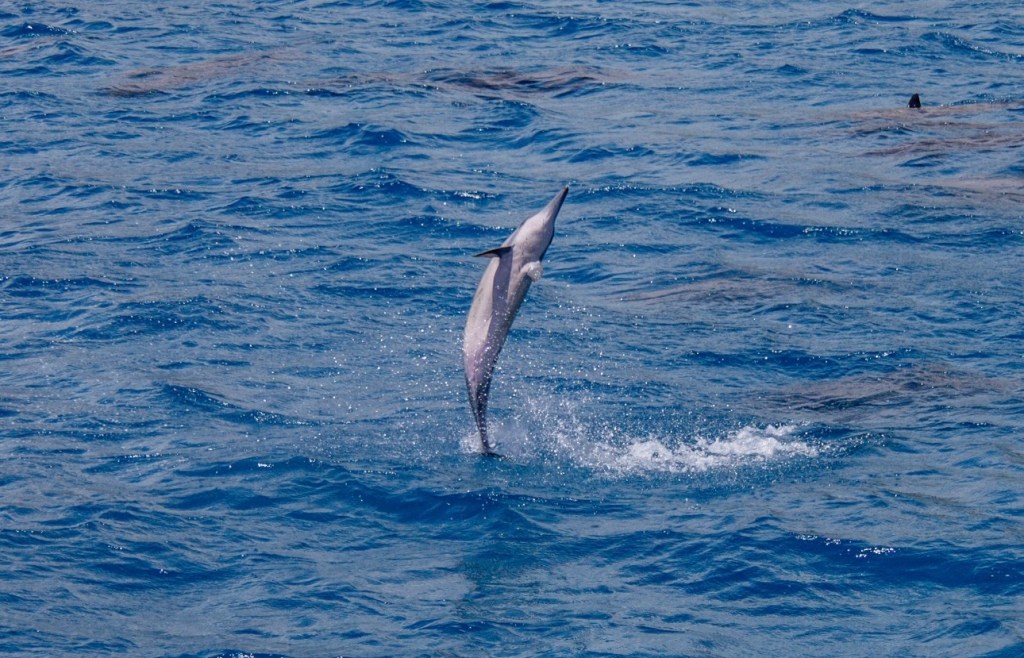
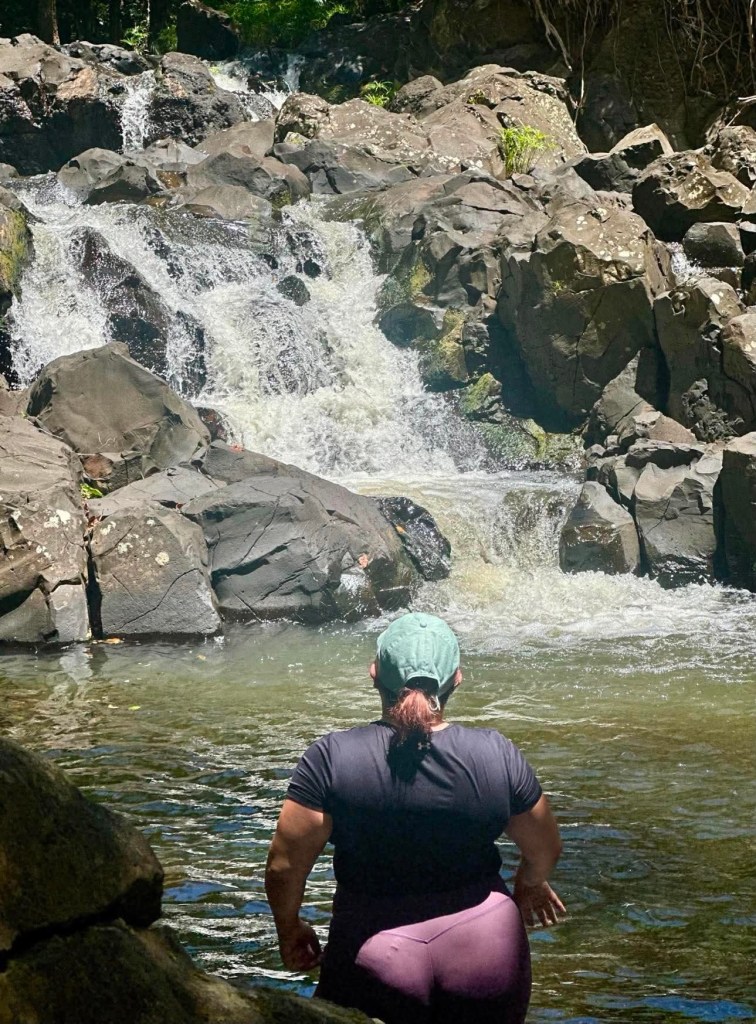
Friday night we stumbled upon the Hilton Hawaiian 🌺 village and the firework show they start at 8 pm weekly. This area is in plenty of movies and shows. It’s a great idea to watch a perfect sunset. Lanikai Beach 🏖️ was the best for crystal blue water and very calm waves. 🌊 I could turn into a beach bum if I lived here! You must hunt for residential parking or park further away to walk. It was WORTH it. The drive back to Waikīkī from Lanikai was breathtaking. Lush greenery with a tropical feel. I’m not surprised there’s traffic! The international Marketplace in Waikīkī on our way to our first LUAU. This was a Great outlet mall for shopping 🛍️! We went to Wai’anae for a dolphin 🐬 boat tour. Not only do you get to see a beautiful pod of dolphins swimming around, you eventually get to go off the boat for snorkeling. 🤿 We decided to also visit the Mermaids 🧜♀️ Cave! Though it was high tide so we didn’t dare enter. It is known to be quite dangerous, thought beautiful to look at. ⚠️ The waves in this area were more strong! Paradise cove was a safer bet to swim again! And yet another beautiful area for a perfect sunset. We had a very short hike to see the Kapena waterfalls. Swim at your own risk. If you’re immune compromised you may want to just dip your toes in, as it is known to cause bacterial infections. We finished off the vacation at the Moani Lani Spa for some final R&R. They offer amazing spa treatments with a steam room, sauna, and hot tub. The views of the Waikīkī beach are also stunning.
Over the years I have noticed that there are certain mental health conditions that are compatible when it comes to dating or living together, while other’s are like ‘oil and vinegar’; they just don’t mix. Some even create a dangerous chemical reaction and cause toxic cycles/ explosions to occur. In this blog I am going to discuss common dynamics and themes amongst people that have mental health conditions and enter serious relationships. We will explore both healthy and unhealthy dynamics. This is obviously not a concrete black and white subject, I am discussing themes. There will always be ‘exceptions’ to the rules.
Unhealthy example: Depression & Anxiety Couple- When one person has anxiety and the other person has depression, the anxious person tends to exhaust the person with depression, and the depressed person tends to infuriorate the person with anxiety. The anxious brain needs reassurance, answers, stimulus, sometimes a bit of chaos. The anxious brain obsesses. The depressed brain is way too tired and numb for any of that. The depressed person can’t summon up the energy to keep up with their anxious partner. The anxious person get’s frustrated that their depressed partner ‘does not care enough’. The depressed person is worn down from the energy their anxious partner expects them to be able to ‘keep up with’. Both misunderstand and misinterpret each other’s symptoms. They may frequently feel as if they are triggering and/ or failing each other. They may end up leaving each other more wounded.
Healthy Example: ADHD & Depression Couple- The partner with ADHD will excite the person with depression, giving them much needed happy chemicals. But also, the partner with ADHD will get torn in other directions and projects around them. During this time when they pull away, the depressed person will have the much needed space in order to rest and recover their social battery. The partner with ADHD may get guilt tripped by other types of people, but their depressed partner will likely not be as hard on them, they’re too tired/ numb to make a fuss of the noticeable distractability symptoms. The ADHD partner will be free to dive into their projects and allow the rest of the world to melt away. And they will in turn not be pestering their partner with depression to ‘keep up’ as their projects are for themselves. This type of couple will likely know when to come together for fun/connection, and when to give each other space.
Unhealthy example: OCD & ADHD Couple- A partner with OCD may need to feel in control in order to avoid a sense of helplessness and chaos. They need order. They prevent the bad things from happening. They have perfectionistic qualities. Their partner with ADHD will likely scatter them. If they try to obsess and take control over someone with ADHD, they will suffer more. Since people with ADHD do not aim to control their environment, they are run by the external stimulus of their environment, these couples will rarely see eye to eye. They will likely have completely different priorities and a completely different sense of what they view as important/ valuable. The partner with ADHD is likely to anger the partner with OCD as they could accidentally disorganize the order in the home with their neurodivergent ways. In turn, the partner with OCD may lash out and harm their ADHD partner with guilt trips and shame.
Healthy Example: CPTSD where both people ‘fawn’- There’s many different types of childhood wounds that could lead to CPTSD. And every person will develop their own unique survival strategies. But what happens to fawners? People that learn to people please in order to survive their abusers? IF they meet someone that is selfish, malicious and/ or abusive, they are very vulnerable. But, if they are lucky enough to meet another people pleaser, they could potentially thrive. Fawners are often hyper independent. They learn to self soothe on their own. But, sometimes they might also neglect their own needs. But, their people pleasing partner will not allow them to do that. Both partners are going to be in tune with each other’s needs, reminding them of their own personal self care that they are neglecting because they fuss over each other. They are the true ‘mind readers’ of couples. Because they understand what it’s like to not be able to state needs out loud. They understand that their screams for help have to be silent.
“Maybe it’s not about the problems that can be solved. Maybe it’s about the conflicts in the mind that never go away.” -EaE
“Is suicide selfish?” They keep asking. “Suicide is when the brain dies before the body”, that’s my answer. It’s organ failure. After various compounding events, their brain decided that they needed to go. Suicide is not impossible to prevent, but it is hard to predict. And in the aftermath, everyone wants the answer to something that is so unexplainable. As if suicide is as simple as a ’cause and effect’, and there is one sure thing that we can blame. And if we can’t find something to blame, what then? We blame them for doing it and causing a wave of grief and reactivity.
I’ve worked in the mental health field for 17 years. As a mental health tech for the Air Force, as an intern at a family resource center, as a mental health therapist for the Veteran Hospital administration, as a research assistant a study on military suicides, and as a behavioral health consultant for the DOW. Talking to patients about suicide is a normal Tuesday for me. Though I have the field experience, and I have the professional education , I believe what truly makes me effective is that I’m not afraid to have the hard conversations.
I will sit with people for hours and listen to them talk about why they no longer want to live. Why the idea of not existing sounds like a relief, and why the idea of many more years of life sounds like a burden. And though the majority of people do not want to truly kill themselves, many people have fantasized about not existing anymore. The idea of death is a possible escape. Away From the burden of life, chronic pain, trauma, financial hardship, grief, mental health symptoms and complicated relationships. And why do suicidal people often not feel validated or heard? Because everyone around them is so terrified of the topic, they want to wish, will or push the conversations way. Or they want to toxic positivity them to death. And all this will create is more disconnect. I remember the last time I tried to talk to someone without depression…. about depression. Someone that did not have a suicidal thought in their life trying to hear me talk about my history of suicidal ideation. No matter how hard I tried, it was like speaking a different language. My friend doesn’t know this, but I ended up crying after the conversation because of the disconnect.
Mood disorders such as depression or bipolar disorder tend to have high rates of ideation. With bipolar patients, it’s often the inability to regulate their emotions and/ or predict their flair ups of depression and/ or mania all together. It can lead to a deep sense of helplessness and shame. With patients that have major depression, it’s the inability to care or feel joy in anything. The inability to convince the mind that life is worth living when there’s so much suffering and emptiness, and so little happiness. People with debilitating mental health symptoms accompanied by suicidal thoughts are being told to get sunlight, eat healthy, walk, hang out with loved ones, workout and think positive. What needs to be communicated is the fact that our brain is trying to convince us to die, while another part of our brain is trying to convince us to stay. And that is a conflict that no coping skill can remove overnight.
During my research with the Henry M. Jackson foundation for the advancement of military medicine, we can also see that suicide has various compounding factors leading up to the act. Mental illness, substance abuse, relationship turmoil, job dissatisfaction, legal issues, financial stressors, Childhood ACES. Compounding for years to decades. Some received mental health help first, some did not. Some left suicide letters or videos, some left nothing. Even teens have higher suicide rates! Some of the reasons include complex brain development, social isolation, bullying, increased mental health pressures, a horrible economy that makes the idea of growing up more terrifying.
Sometimes I call mental health work ‘The Art of Suffering Less”. And there are only two things I hope my patients do: Learn, and suffer less. I won’t expect perfection and I won’t be the added burden to an already hard life. I carry that philosophy even outside of the therapy room. I remember how the military used to break people down to the point of them having increased suicidal thoughts. I always wanted the military and the civilian sector to strive to be something descent and helpful, in a world full of suffering. What is in our control is how we can help people, or do no harm. Being generous, helpful, kind, or at a minimum, not being an asshole… maybe? Because why in the world would you want to be the Cherry on top of a shit Sundae in someone else’s life?
Most readers are not in a professional position, which means the textbook thing I need to tell you, is to bring your friend/ family or other loved one to the ER or mental health clinic if they inform you they are having suicidal thoughts. Don’t believe that you have to play therapist, it won’t go over well. But, you can listen without judgement and without pushing it away or trying to change their mind in a flurry with the toxic positivity quotes that have never helped anyone. In fact, sitting in silence would be better than that. Genuine presence is more effective than poor words. Being willing to play that small, yet significant role in the push to get them toward professional help, is so important. And if it’s you, the reader, you need the help too. You also deserve to suffer less. Do everything possible.
When PTSD is hard, it is inexplicably hard. But depression just might be the death of me. When these disorders combine, I go into a cave of isolation. It’s lonely in there, but it protects me and others. I’m protected from more triggers, and people are protected from me.
With a depression cave, I’m not allowing myself to be bothered by people that ask questions that aggravate my spirit. “What’s for breakfast? What’s for lunch? What’s for dinner?” Food. Who cares? The answer is not exciting and I am wasting energy by answering. “ When’s yoga? When’s BJJ?” meanwhile I’m in a crippling state of depression, I already decided I might skip my workout, and now I feel guilty because someone reminds me that I’m a failure, simply by asking a question. “Are you coming??” Someone may ask this about that social event I said “maybe” to, but now I cannot imagine going. It would be exhausting to pretend I’m happy, I would ruin the experience for everyone because I can’t smile. “How’s your diet?” I binged on fast food to regulate my emotions so that I don’t cry at work tomorrow. And now I’ll gain weight and it will be even harder to move my body. Wonderful.
People may say “you can tell me how you’re feeling”, but let’s be real. No one wants to hear these thoughts spoken out loud. The negativity would drive people mad. Which is also why the complex PTSD and depression combo leads to a deep sense of loneliness. My ex fiancé literally told me: “I’ll never date someone that has depression again”. (Good idea, and I’ll never date a narcissist with anger issues again. That made the depression worse)
I’ve lived with major depression for about 25 years. I’m very seasoned and extremely functional. I have done every single coping strategy and found ways to create those healthy atomic habits that manage it. I know enough to know that it will come in a crushing wave, but it will also go back to mild at some point too. I’m very effective with helping my clients with depression because I literally know how to manage it from personal experience. I give them more empathy, more grace, and more realistic strategies that won’t perpetuate the shame cycle.
Despite all the healthy coping, the cave will still be a necessary part of the depression process. We hide there. We rest and recover while our body is in a sad, numb, lethargic or dissociative state. We allow the tears to come, or coax them out if needed. I used to wonder what was wrong with me. If I’m so sad, why am I coming home, sitting in the dark, listening to the saddest song that was ever written, writing the saddest poem I have ever thought of while I smoke? Both my ex fiancé and ex BFF thought that this was an insane process. I’m only “making myself sadder”. Wrong. This was a ritual that my brain designed to get me through it. The cave is a way to preserve ourselves while we cleanse and let the wave pass.
Believe it or not, the depression intuition may guide us better than we realize. We are too busy shaming it to understand how effective some of the behaviors and compulsions are. Because when I allowed others to “yank me out” of the cave, they failed miserably. They aggravated me and made it worse. Forcing me up and out of my cave too early. Forcing me on a hike that my body wasn’t ready for. Forcing me to socialize when I can’t make eye contact, talk, or smile. Then they’re offended because their methods don’t work, the relationship is strained, the shame and depression go deeper. So, I’ll go into the cave when I need, and I’ll leave when I’m good and ready.
My Rules for Depression
1- Always have something to look forward to (literally have it booked in your calendar)
2- Move your body (in any which way you want and at whatever pace works for you)
3- Have a Social Hobby that’s low pressure & focuses on the activity, not mingling (martial arts, an art class, fitness class, karaoke or dance, a behaviorally activating hobby of some sort like woodwork, instruments, gardening, cooking etc. The key is to not be pressured to mingle while still getting the benefits of a social atmosphere )
4- Therapy (I almost insist), & Medication (optional but it could be necessary)
5- Find a Support group (this could even be online in free private social media platforms if necessary. Group therapy? Even better)
6- Change up your Routine (Depression breeds off of boredom and monotony. Stir shit up! Seek adventure and some occasional dopamine hits)
7- Force yourself to do a Self care Routine even if it feels pointless. (When it becomes a habit you will eventually see the benefits of it. The improvements could build motivation to continue. And the ritual may one day help you realize that you are actually quite deserving of self care)
8- Keep the Cave and create your personal ritual. It doesn’t have to look like mine, it needs to match your aura and feed your soul. That’s the best way I can explain it. I personally love Emo songs, Junk TV, coffee, writing, being around my cats, medicating, snacks, and my Pilates reformer. Where I can work my core in front of my TV/ music videos but I can move at a zombie pace.
Interviewer: Elisa A. Escalante / LCSW/ USAF veteran / OEF Vet
Interviewee: Adam Walker/ Retired USMC / OIF Vet/ Author ✍️
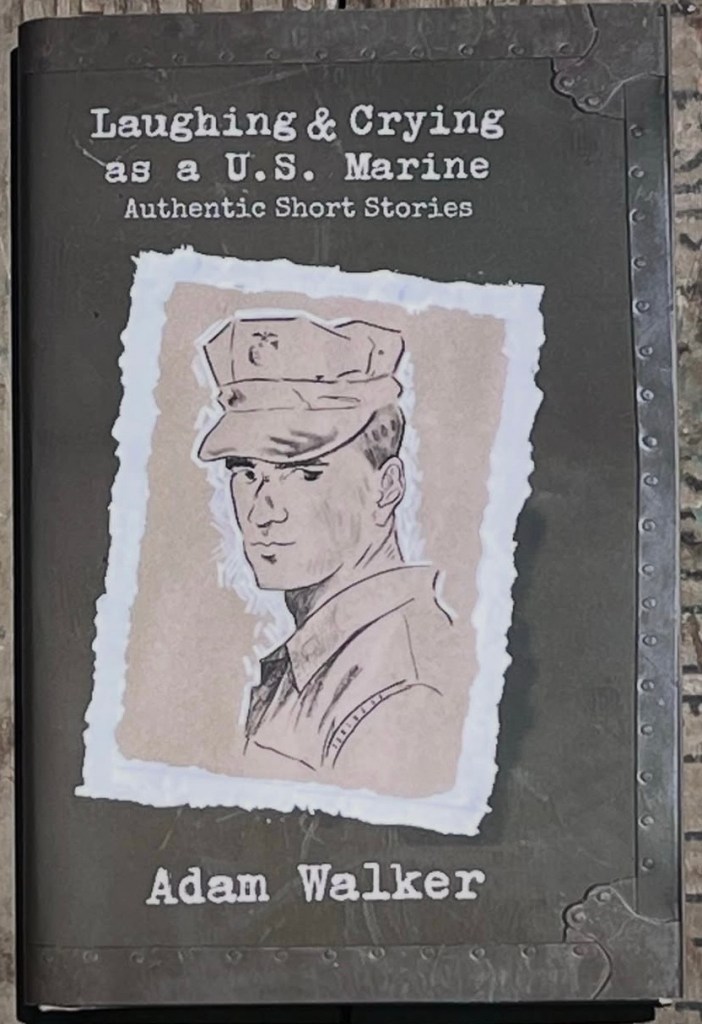
Book “Laughing & Crying as a U.S. Marine” , release date: June 2026
Screenshot
Adam Walker is a retired Marine with 25 years of service to include 3 combat tours to Iraq. He is also a writer and a public speaker, which absolutely piqued my interest. I could immediately tell that this is someone that has a lot of wisdom to share.
Elisa Q- First, I always want to know the true reason someone decided to enlist in the military. Not the reason we tell the general public or the recruiter, but the real reason?
Adam A- I wanted to join the military since I was young. The sense of adventure was very appealing to me. As I came to age I just wanted to do it as quickly as I could. I had never traveled much, I wanted to be tested and to become a part of something. I also grew up in poverty where we lived paycheck to paycheck. I always say that because of the military, I went from ‘white trash’ to ‘middle class’. I did not have financial means for college, it felt like a leap to even consider it as an option at the time. Also, growing up, I never lived in the same place for more than two years. PCSing every two years was fine because not having permanency was very normal to me.
Elisa Q- When did you learn that you had a gift for writing and public speaking? And did the military nurture or hinder these talents? I think it can be bitter sweet for me personally. My military and mental health careers have always kept me time limited and interrupted my creative freedom, however, those experiences have also given me so much to write about.
Adam A- When I was a teen I would scribble write, and I had a knack for story telling when I was assigned book reports. I was a huge reader, which still helps stimulate my creativity. I was also a bit of a comic, I liked to entertain people with stories. The marine corps helped me nurture that. With recruiting duty I had to be outgoing and charismatic. As I went up in rank and was assigned leadership roles, I had to learn how to engage and motivate people. By the time I was a MSGT in the USMC, I was growing in public speaking. I was recognized and encouraged to submit to the Marine Corps Gazette. My first article was called Post combat Residue; in which I was comparing PTSD to the stain in a coffee cup. After I published this article, I received the Sergeant Major of the Marine Corps Writing Award in 2013. This boosted my confidence and I wrote 7 more pieces and received the same award again in 2015. Currently, I have a quarterly column in Leatherneck Magazine called ‘Lessons from the Smoke pit’.
Elisa Q- Laugh, lyrics, reflect and ramble were your original four categories on your blog “Takeitontheleftfoot”. What inspired these categories?
Adam A- It’s naturally how I write. I was thinking about how to organize every style and put my work in their respective categories. Humor/ funny stories, creating song lyrics, reflecting on something deep, or rambling. Now, with the book I’m publishing, 80% of it consists of my funny stories. Follow up Question: Do you believe that you use humor as a defense mechanism?Answer: I believe that humor can be both a defense mechanism and healing for people; myself included.
Elisa Q- I read ‘Home is Home’ which I found quite relatable. I also grew up, joined the military, and traveled far from home. There were conflicts between wanting to remember who I was and wanting to run away from it. As if moving and changing my career and identity could erase my past. I moved back to the Mojave desert in 2021, and I have a new appreciation for my home town. I love the nostalgic feel of the lyrics, what inspired it?
Adam A- I think I do get homesick a lot. The region of the blue ridge mountains in the southern Appalachians is where I spent a lot of time. Going out into the woods was a lot simpler than being at home where there was a lot of conflict going on. I camped, back packed, hiked. It’s simple in a way of respecting Mother Nature, and finding a way to survive in it. Finding a means to keep myself protected in whatever weather came my way. Nature’s beauty is therapeutic and healing. I sometimes have thoughts and emotions that hit me and offer me clarity, and I stop what I’m doing and I just start scribbling. Home is Home came to me this way.
Elisa Q- I read that you were injured in your second tour to Iraq in April 2004, You talked about a specific type of moral injury known as survivors guilt. The guilt of surviving when other fellow marines did not. Did you process your grief, repress it? How did it impact you, especially after returning home with many more years left on your enlistment?
Adam A- One, I was quite a workaholic. I felt guilty about my office job when I came back home after combat. But by being a workaholic, I felt like I was doing a service for those that I lost, and that were still in combat. I felt guilty for having a good life. There was a lot of recklessness and drinking, perhaps self sabotage. Not intentionally so, but the sabotage was my own punishment for coming home safe and alive. I believe many combat veterans do this subconsciously.
Elisa Q- Yes, and you refer to your post combat experience as the “angry and thirsty times”; Described as a season in your life that was impactful but brief? Trauma anger and …. a thirst for … what specifically? Medicine? Adrenaline? Dopamine?
Adam A- When I say thirsty, it is me being playful with words. I’m really talking about being an alcoholic. The underlying anger felt like being bitter, on edge and irritable. I kept it inside very well, people didn’t know. I drank for 8 years everyday. I didn’t show ill effects or signs, I was high functioning. Fortunately, I ended up getting a job where I stopped traveling, I slowed down and started working on myself. I realized I wanted to be better and do better. So the answer? The alcohol was medicine. I both laughed and grieved through the drinking and I slept a lot easier at the time.
Elisa Q-What do you think people should know about your book that’s coming out? How was the writing process for you?
Adam A- This book is for marines of all generations and for people that love their Marines. I wrote it in a way that will capture many people’s attention, including people that are interested in joining the Marines. I think it will help people understand through relatable short stories. A leadership book did not appeal to me. My method of writing was to make sure that I took myself solo camping every three months. I would then write as much as I could; this process went on for four years. And then my final year was figuring out how to get it published.
Elisa Q- Technically, you never stopped serving. Neither did I. We’re both still working for the DOW. Do you ever think about full retirement? Is it deeper than a paycheck? Does it still feel like a calling? A mission? Or a purpose?
Adam A- I’m making a living, I’m good at it and it’s stable. I would love to make a living out of writing but I’m not quite there yet. But at the same time, I’m not sure that I ever want to write for money, I fear that if I wrote for money I might then lose my passion for it. I also still like living in a Marine community, I have a lot of friends and a good social network here at Camp Legeune. I still go to the gym most mornings where I’m surrounded by my community. (Adam retired in 2019)
Elisa Q- Have you ever helped someone learn to appreciate writing for themselves?As a therapist, giving people the suggestion to journal to process their emotions is always hit or miss.
Adam A- No. (Laughs) But, I have encouraged people to commit to reading short stories. They may not be able to commit to a novel, but a two page short story can be inspiring and help grow their appetite for reading. I think many ppl see writing as a chore. They associate it with school and maybe they never did enjoy school. Not everyone is built for it. People don’t always fall in love with words.
Elisa Q: Any favorite song lyrics??
Adam A- Hootie & the Blowfish; Not even the trees.
Alone as I sit and watch the trees
Won’t you tell me if I scream, will they bend down and listen to me?
And it makes me wonder if I know the words, will you come?
Or will you laugh at me? Or will I run?
Little boy says to me, “Where you going now, son?”
I said, “I don’t know where I’m going, boy, I only know where I’m from”
And it makes me wonder if the stars shine when my eyes close
Or does my brother’s heart cry? I don’t know
(I love it and now I must listen to it!)
Elisa Q: Any words of wisdom or encouragement?
Adam A: I think every Veteran, especially combat veterans need to find a creative outlet. Maybe it’s fixing a car, home repair, gardening, or any type of art. It is a mechanism by which they can begin to heal; indirectly of course. The things they cannot verbalize are winding in the back of their mind, but the creative outlet can help bring it forward. Veterans used to destroy, but now they can create. For me, the outlet has always been writing and story telling. Deep down, I wish I also had music, so that I can produce some of the songs I have written. Maybe one day I can get into that too.
Elisa Q- What’s the next project for you?
Adam A- I do have a children’s story that I wrote a couple years ago. I would consider publishing it, I think it would be unexpected for my audience. I also have ideas for a historical novel. But I would need to develop as someone who does research so that I can create the novel with historical accuracy. I already have the story line and characters developed, but I don’t know if I’m capable of long form writing. It would definitely require some personal growth.
I came across a very controversial stream of TikTok’s. The debate centered around a video in which a content creator admitted to being very jealous of one of her friends. She spoke about it so openly and honestly. She was vulnerable about it, I will admit. Some people praised her for her honesty and could relate. Others were heavily triggered by her honesty and urged her to seek therapy because she is… dangerous. Many people stated that it is normal for humans to feel jealousy sometimes, while other people said fleeting jealousy could be normal, but spending a large amount of time with someone that you secretly dislike, is abnormal and toxic.
There’s a distinction between emotions, thoughts and behaviors. The emotion of jealousy, like all other emotions, is normal and fleeting. Every human will feel jealous sometimes. But as I always say, our thoughts can be fabricated. And, our behaviors can be modified. The influencer not only expressed jealousy, but it became clear she had what is known as “compare and despair” thought patterns. She compared her life to her friends in a way that caused her to feel her friend is privileged, while she could “never be as lucky as her”. She resented her over time. And yes, this can be toxic. It’s a negative schema that promotes victimhood and resentment towards those that she perceives as ‘better off’.
In therapy, when my clients bring up jealousy, I encourage them to look inward. There’s three to four major questions I ask them to reflect on:
1- What do I fear? 2- What are my unmet needs? 3- Can I achieve what they have? If so, how?
Why are these answers relevant? They help get us back to ourselves and what is in our control. The questions can also help keep us from projecting our jealousy onto the person that triggered it. Because in the majority of cases, people are not purposely trying to make us jealous. It just, happens. It isn’t about the person that triggered the jealousy, it is about the core wound that was hurt within us.
The fears: When people are jealous, they tend to fear a multitude of things. It could be a fear of being rejected, a fear of being cheated on, lied to or abandoned. We could fear social rejection or embarrassment. Our egos are often involved in this. And if we act out due to our jealousy having an underlying fear, it often makes the situation worse. Especially because the majority of those fears are completely out of our control. Why are these fears so potent? Because technically it is a part of our survival. Our mental / emotional safety is just as relevant as our physical safety. Human beings need to connect, be accepted, be loved and so on. Our lifestyles depend on a society that accepts and takes care of us. But, if we aren’t careful and we let the jealousy lead to maladaptive thought patterns and behaviors, we could perpetuate the very thing we are trying to avoid: social persecution and betrayal.
The Unmet needs: The unmet needs that could trigger our jealousy? What if we see someone getting the attention that we want and have been deprived of? Or the money, success or promotion that we so desperately need. Or the quality time we have been begging for? The emotional attunement or the shelter/ security we long for? It can be hurtful and tempting to dislike the person who appears to get something we need, for minimal to no effort at all. But that energy we exert toward jealousy and hatred would be better exerted toward….
The achievements we want: If someone has something that we want, whether it be time, attention, success, promotions, we are better off finding out how we can achieve the same things. Rather than hating on someone that already has it. IF anything, that person could be our mentor, assuming they earned it. Or we can find mentors to help guide us in the direction we want. Sure, the world is full of privilege, but dwelling on that does not get us any closer to a goal that we want to achieve. Create a plan, goals, objectives and execute. Work on being calculated. And when things get hard? Remember that that is why so many people quit. That’s the process. When I see people achieving things that I want, I remind myself that it is because I have been slacking and allowing myself to get further from my goals. Maybe I became complacent or fearful. It has nothing to do with that other person.
Conclusion: If there is any take away, always remember: Feelings are facts, thoughts can be fabricated, and behaviors can be modified. Know the difference between the three. An emotion is a human response and meant to be interpreted, thoughts can be distorted and destructive if we aren’t careful. Behaviors can be harmful/ maladaptive so we must work on them always. They happen so quickly in a chain of events that quite often, people mix them up and believe they are one in the same. Break them down. Learn, grow, practice humility.