It recently occurred to me that I have not yet written a blog specifically on the topic of how our stressful work lives/ environments factor into our deteriorating mental health. This is an important topic! As we often spend 40+ hours at our job’s week after week, month after month, year after year. I’ve had some debates regarding the U.S. workforce in the past… is 40-50 hours too much? It often depends on the type of work, as well as the workers personal mental health history. It also depends on whether or not they have physical disabilities as well. Then, it also depends on what is going on in their personal lives’ outside of work. Since I’ve worked primarily with military, veteran and military spouse populations, this adds a unique layer as well; deployments, traveling every 2-3 years, long extended missions out of state etc. I also must mention, the covid pandemic added yet, another layer of work stress. All of a sudden people had to figure out how to survive after being laid off in a moment’s notice. Or, find out how exactly they are supposed to work from home while also assist their kid with homeschooling. As a social worker, there was no way I was prepared for all of this. Yet, we were expected to continue working as essential employees, during a time where mandated social policies were forcing everyone into crisis mode/ acute stress reactions.
Managing your mental health when you’re a full-time worker
Toxic work environment Red flags– What to look out for when you are job hunting… a very large red flag are jobs that have high turnover rates. Sad, anxious and angry employees leave fast. I once interned at a clinic that had 4 people resign within one month, one of those people literally resigned after 4 days of working. So when the time came for me to job hunt for my first career post college, that was a very certain NO. Many people have also mentioned jobs that do not list pay and often avoid the topic of pay throughout the interview process… also a red flag. I one time had four interviews before I was hired by a Non profit in NYC. Throughout the entire process, pay was not mentioned. Then when HR finally said I was ‘hired’, I asked for the pay. It was pitiful. When I asked for a little bit more, they lied and said they would let me know. They never messaged or called me back, but instead hired someone else as fast as lightning. This indicates that this company does not care about quality workers, rather, they want someone that will work hard for little pay. Work sections with sexual, verbal, physical harassment, racism, homophobia, sexism, agism and so on…. NO. Work sections with a ton of gossip and passive aggressiveness, also a NO. This indicates a lot of resentment over time; and bad morale is contagious.
Boundaries & Self Advocacy– Whenever social workers ask me what type of curriculum do I wish there was more of in social work school, I always say without a doubt, more classes about boundaries and self advocacy. People love to throw around the terms, but rarely do they ever explain how to put this into action in a real life scenario. When people are new at a job, they want to make a good impression, they want to stay out of trouble, they often want to earn their keep. New workers are extra vulnerable toward being groomed for a toxic work environment, or a toxic grind/ hustle culture that can lead to burnout. They are extra susceptible to being taken advantage of. And don’t even get me started on new military members! A large part of self advocacy is making it clear/ communicating what amount of work leads you to feeling burnout. And a large part of boundaries includes being able to say no, reminding people you are on your break, and understanding that not everything you are tasked with is at the same priority level. Boundaries can also include delegating work as needed; no one should be doing everything. It’s also important to NOT enable the lazy worker, or the victim worker that often acts ‘helpless’. Even if someone is a slow learner, we do them a disservice by doing their work for them, and we will suffer in the long run. My main form of boundaries/ self advocacy with my current job was to insist on no more then ten patient slots a day; they tried to push me for 12. No No No No No.
Job Switching as Needed– Gone are the days of picking 1 career and sticking with it for 25 to 35 years in order to retire. Not that there is anything wrong with that, if you find something you love, and you can tolerate it for that long, that’s amazing! It’s not the rule anymore, more like the exception. Will we (Millennial & GenZ generations) have retirement pensions that could help us afford the increased cost of living? Are we willing to suffer through a job long enough to even find out? I don’t believe in urging anyone to stay in a position that they hate. Especially if it’s deteriorating their mental health or destroying their personal life along with it. And, since technological advancements, working from home opportunities, and entrepreneurship have given us more options, we don’t have to settle. We can, maybe, find something we are passionate about. Or, we can find a job that happens to respect the limitations of our mental illnesses. We don’t have to suffer to make money, per say. Job switch when you are miserable, explore, learn yourself, learn what works for you. Life’s too short to suffer miserably in a career you hate for decades.
Making the Most of your time off– What do many people do when they get home from a hard day? If you are zoning out into a screen all evening, eating junk, while dreading the next day, your mental health will likely suffer more. This was me for many years. I still do it… sometimes. But mental health teachings remind me that that type of routine is not a balanced one. I stumbled across a YouTube channel on micro adventures a few years back. This man encourages people to ‘no longer live in the 9-5 world, but rather, live in the 5-9 world. As in, live for your time after work, don’t’ let work be the center of all your worries and build mini adventures during that time off. I couldn’t agree more. I love little road trips and adventures, while I also love to have some down time to do ‘nothing’. No longer should we feel guilty for having the human need to rest both our bodies and brains too. If you work hard, you need to play hard and rest hard. I took that concept of micro adventures and also started to use it in other areas of my life. Micro dose adventures, and drugs, and chores, and workouts, and intimacy, and cheap entertainment. If we do not have a plan of action after work, we may get lost in a vacuum (screen) and lose all sense of time and goals. Now a days, I tell myself to try to do at least 2 or 3 things an evening out of the following list: Workout, cook, chores, sex, write, sing, or TV. No specific time pressure’s, just remain conscious and productive… sometimes. Stay balanced and live with less regret.
Work is NOT your life, your purpose, or your entire identity– I’ve worked with some clients that spent their entire lives ‘living for their work’ and becoming addicted to work. Most commonly, this issue manifests due to a desperate need for emotional avoidance or escapism from a life they are not happy with outside of work. It can also manifest due to heavy societal pressures to produce and consume at rapid rates. They also have obligatory thought patterns that plague their brains: “I should”, “I must”, “I need to”, “I have to”, “I’m lazy If I do not do….” etc etc. Unfortunately, when they near retirement they appear to be having an ‘Existential Crisis’ so to speak. Who will they be now? After work is gone? No more distraction while they live with what surrounds them outside of their job and whatever exists in their head that they cannot get a grip on. This is the unfortunate reality of a person that allowed work to become their entire purpose and identity. They were unable to nurture other aspects of their lives such as: family, friends, relationships, fun hobbies. They were unable to nurture their body, mind and soul as it deserved to be nurtured. They are not a whole or balanced human. They lived on autopilot with fear controlling the majority of their actions. Work is important… it pays the bills, it helps you learn and grow. Sometimes it is even fun and joyful, but it is not your entire life.
‘Unconditional love is for kids. Grownups need conditions. If you surrender all your love without conditions, it means you don’t have love for yourself.’ -EaE
‘He felt like my favorite coffee right next to a warm fireplace that never went out. If that makes any sense at all…. just pure comfort and ease.‘ -EaE
Why is love an art more than it is a science? Perhaps because it is just as much about actions as it is about feelings… perhaps maybe even more about action than anything else. I am NOT a Marital therapist. I never have been and I never will be. Anyone that knows me, knows that. I refuse to listen to married couples bicker all day about ‘who’s right’ and ‘who’s wrong’. I grew up in a world of witnessing unhealthy relationships. Only to become one of those people that would go through my own unhealthy relationships. I have seen and/ or directly experienced domestic violence, verbal abuse, emotional neglect, malnourishment, substance abuse, suicidal threats, abandonment and more. I feared love. In actuality, I feared the only love that I ever saw: unhealthy/ toxic love. I always feared marriage. ‘It’s a trap!” My father, oddly enough, taught me to be the type of woman he never wanted: independant. Someone that does not need to rely on another person, someone that does not allow their fate be determined by anyone else. Being taught that love is ‘unhealthy’, and being taught to ‘fear it’, led to me self sabotaging every situationship/ relationship, right from the start. Ruining it before it even get’s started. Pushing away love is what the abandoned/ neglected do. It’s the ultimate test of ‘who is actually going to stay?’ Especially when times get hard.
I learned too much ‘the Hard way’
Sometimes I wonder, could I have appreciated the healthy love that I have right now, had I not endured so much toxic love? I don’t know that I could have. I believe in social conditioning, I believe in the nurture factor. I am a social worker after all. I have seen many of my friends that have grown up in stable families go on to have long marriages with kids. And I have seen myself and my friends and clients with ‘not so stable upbringings’ go onto have tremendous difficulty with relationships. We are modeled ‘the art of love’. Some people love in the ‘crazy and twisted way’ they learn how to love. For some people, love is angry and desperate. For other’s, love is steady and calm. It took roughly 32 years for me to understand that I do NOT want Toxic love anymore. With relationships and friendships. I was finally done. And when that switch flipped, I truly mean that it flipped. Something in my brain changed forever in an instant. When I made the definitive decision that there are worse things in the world ‘than being abandoned and being alone’ … that’s when everything truly changed. It meant that I could have non negotiables. It meant that I could finally decide that enough is enough. It meant I could say “No you are not for me” or “I am clearly not for you’ and then…. BYE. It was quite empowering, and then it made room for me to take my time… and become selective about who I choose to let in my space.
If you don’t know yourself, you are not ready for commitment
Here is something so blantantly obvious and yet I did not know until I knew. If you don’t know who you are, how can you know what type of person is good for you? You can’t! If you are not in tune with your love language, your wants, your needs, your attractions, your personality traits etc etc, you cannot pick a partner that is compatible for you… again, because you do not know you. Most kids, teens, and young adults do not know themselves. And some even less than others if they grew up in controlling environments. I must add that going straight from HS to the military did not help; the military gives you your identity. They don’t nurture/ foster your sense of individuality.
I’ve recently created a couple of lists that my followers have found helpful while journeying toward finding love and/ or sustaining their loving relationships. So whether or not you are dating casually or in a commited relationship, here’s some things to consider:
Things you cannot know right away when dating someone new:
whether or not they are loyal
whether or not they are truly kind
whether or not they have good intentions
whether or not they are consistent
whether or not they are compatible with you
whether or not they are honest
whether or not they have true work ethic
These are qualities / characteristics that must be proven over time. Talk is cheap as they say. Daily, consistent actions will be the best proof of charactor. I made this because a friend of mine had recently met someone, and within two weeks said they liked them because ‘they were kind, loyal, generous and honest’. I cautioned this friend with a question of “How can you possibly know all of this yet?” You can’t. Because to know that someone is kind, you must see how they interact with you and others over time, especially when they are not in ‘a great mood’. For one to prove they are loyal, they must stay loyal over time especially when given the opportunity to be unloyal. For one to prove they are honest, they must consistently tell the truth and ‘not lie’ over time. In general, all that we really now when we meet someone new is:
whether or not we are attracted to them on a physical level
whether or not their personality traits excite us, or bore us
whether or not we like how they present themselves/ talk
whether or not we approve of the type of job/ money they make and/ or the resources that they have aquired.
Now, for the relationships. After working with many individuals and hearing many grievances about their significant others: Here is what is often lacking in relationships that can build resentment over time: TAG!
Teamwork- working as a team, because after all, you’re in a relationship. This is a daily practice that get’s neglected often. Between the jobs, chores, errands, kids etc etc, are you balancing it all out together? Do you have an agreeable plan that works for all parties involved? If this verbal contracted needs to be renegotiated, can it be done in a safe and nonjudgemental way?
Accountability- When someone makes a mistake, can they admit it? And then, can they correct it? The situation can either get met with defensiveness, (ego) or conflict resolution (emotional maturity). This does not just include our actions, it also includes our emotional reactions.
Gratitude- Do you praise your partner? Do they praise you back? Do you and they remember to give each other credit where credit is due? Or did one or all parties forget? Are you or they only focusing on what you or they bring to the table and forgetting everything else? Gratitude often comes in the form of words of affirmation or small acts of service over time.
Notice that no where on this list do I put communication. I don’t know about everyone else, but growing up I was pretty damn tired of hearing everyone preach communication. Communication! Communicate! All relationships need is communication. That’s not only inaccurate, but quite laughable for someone like me who was with people that were anywhere on the spectrum of being ‘selfish’ to being a full blow narcissist. Guess what? There’s some people that you can communicate with until you are blue in the face and passed out. And they will not LISTEN or do anything to make you happy. If you lack ‘TAG’, then you do NOT have a relationship, you have a zombieship. It’s lopsided, and it will either lead to a miserably ever after story, or it will end badly.
Love is only enough if BOTH or ALL people love each other
There will be no perfect relationship. That is true. But do not take the concept of ‘there is no such thing as a perfect relationship’ and confuse it with “I should just put up with anything for the sake of love’. Healthy love only exists when two or more parties are all in it for love. Meaning their motive is TO LOVE and continue LOVING through actions. Relationships exist for many reason’s, and there are many relationships that are ‘not about love at all’. Some are for financial gain, some are for status, some are for desperation, some are for identity and purpose. Some are for the sake of having a maid. (Been there done that) If we want to know that we will be loved by someone, the single most important question I believe we need to ask ourselves is “Does this person intend on loving me?” NOT “How much money do they make?” NOT “Will they look good in pictures standing next to me?” NOT “Oh my god my friends are all getting married and maybe it’s my time now?” Do you love them, and do they intend on loving you back? And this answer only comes with repeated loving actions over time. No matter what, love is also, and always will be a gamble too. GOOD LUCK to ALL (Except my Ex)
It’s been a while, but I have collected another bundle of “bad internet advice” quotes to debunk. The social media world is a never ending cesspool of poorly written advice!
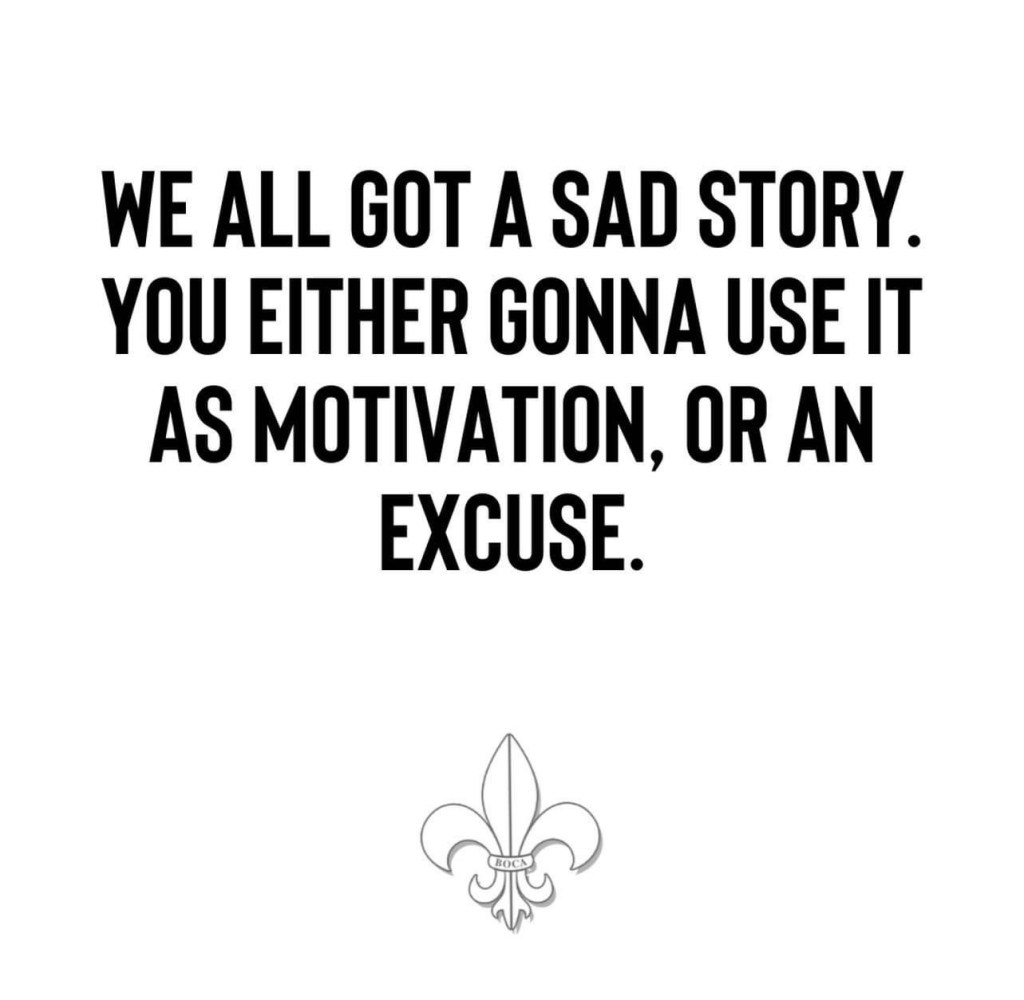
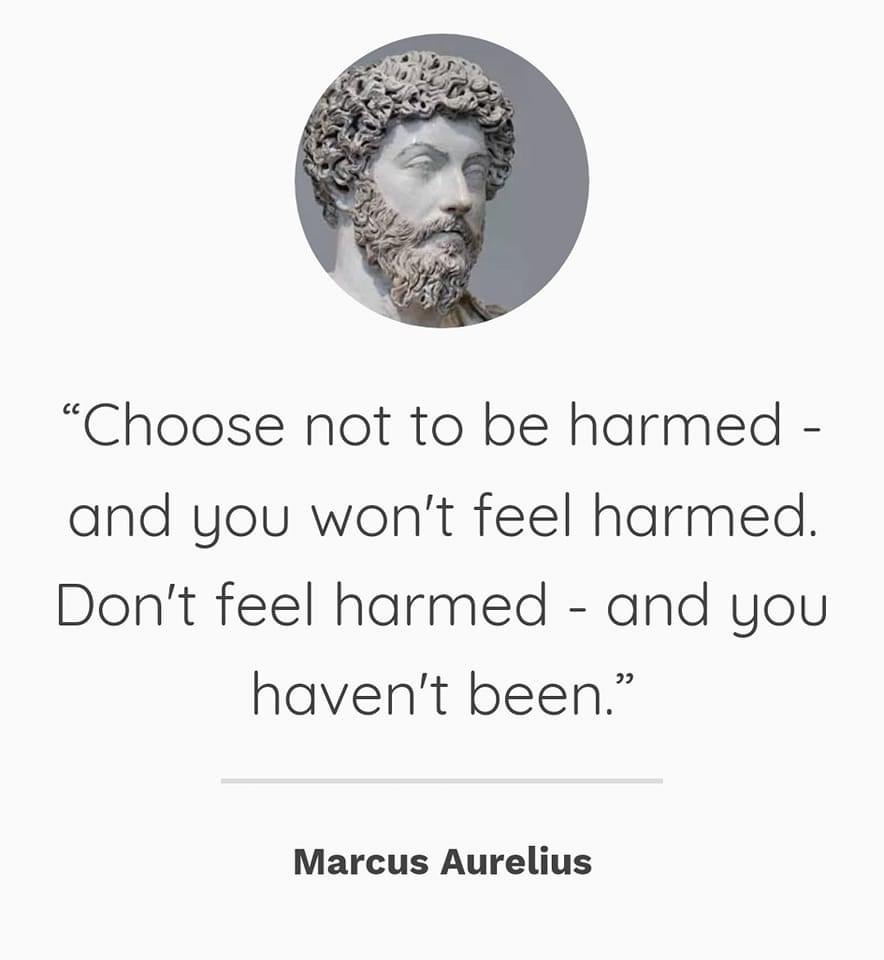
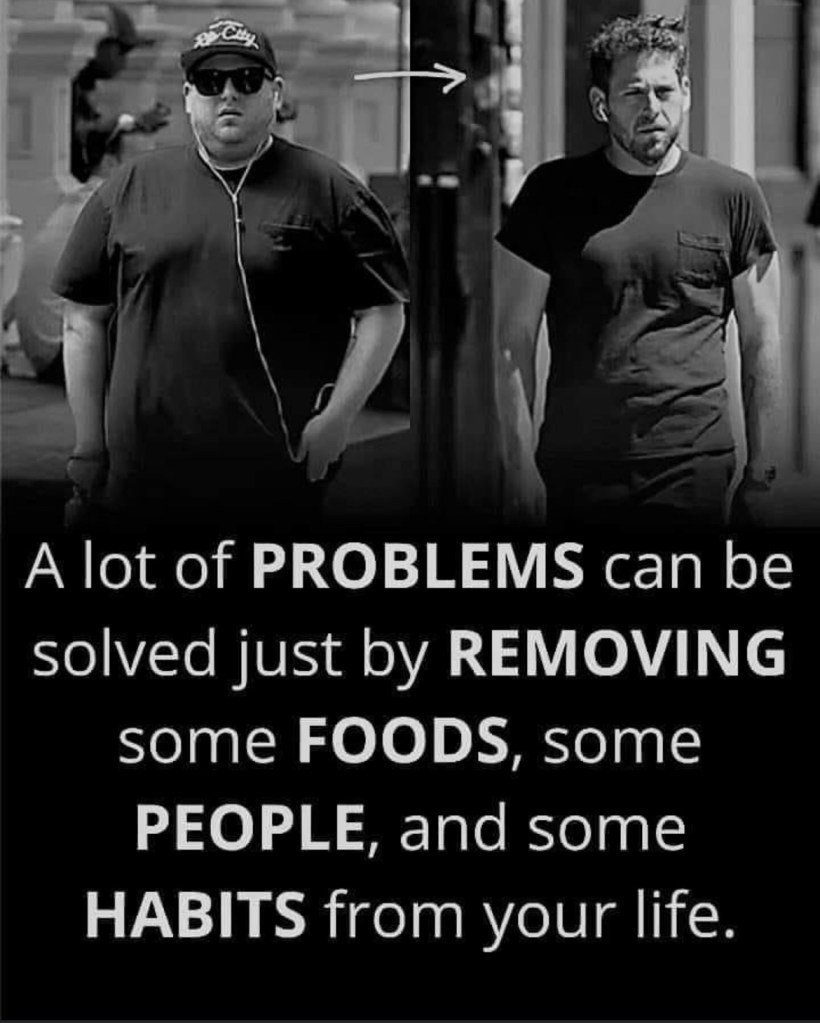
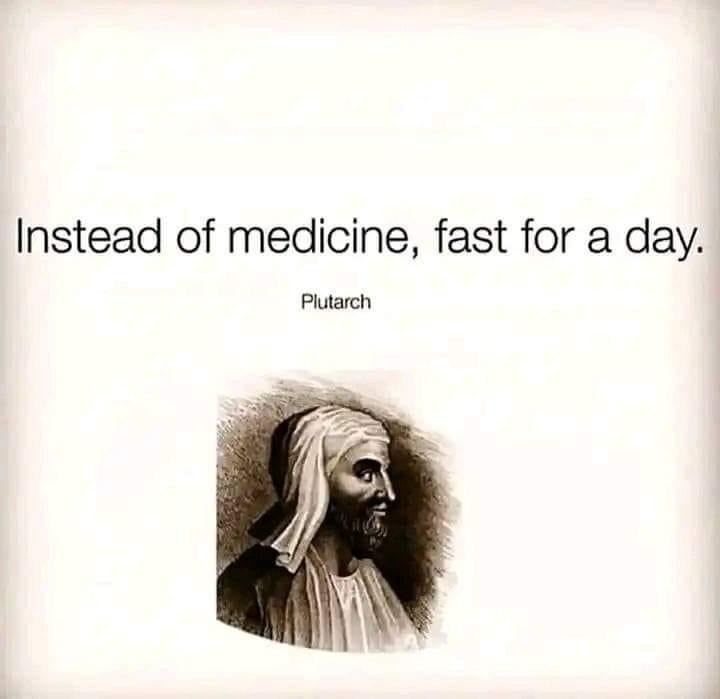
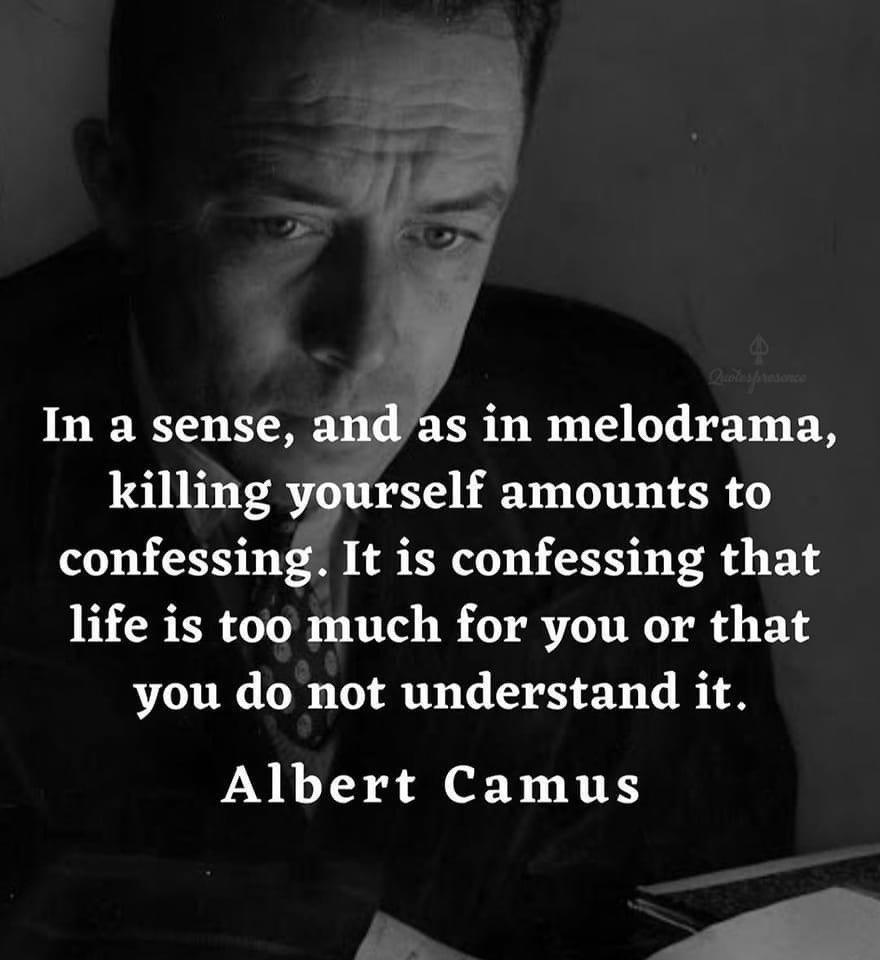
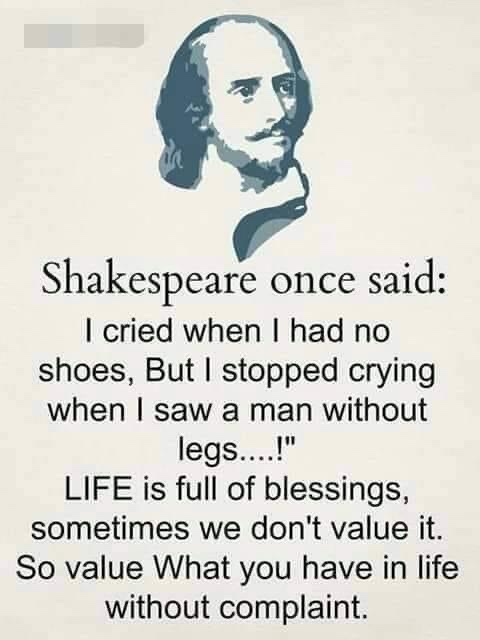
In many cases, when people vent about their emotions or mental health symptoms, they aren’t making excuses. They are sharing. Mental traumas, grievances, illnesses aren’t “excuses”, they are reasons. Mental and medical conditions can cause life long limitations we must pay attention to. If neglected, we are extra prone to burnout, or a mental breakdown. I truly wish this was the case. But think about the many people that have suffered due to a society full of homophobia, and/ or communities plagued with racism… and/ or sexism. Some people feel the need to go into hiding to survive this type of hatred. Be you, will the world adjust fully? Not necessarily. You may have to suffer through ignorance and prejudice. Certainly, perception and thoughts do play a part. But there are most definitely people that are capable of hurting us. Imagine I fed this quote to someone in a situation of domestic violence? “Just don’t feel harmed”… meanwhile their spouse is beating on them. Don’t feed people delusions and fake neutrality/ positivity. This picture and caption is implying that because this celebrity (or others in general) lost weight, he is “problem less”. Looks don’t tell the whole story. And I have yet to work with a single patient that was cured simply because of a diet, a habit change or removing someone from their life. The healing process is a journey, not a band aid.This is faulty in that there is no one size fits all cure. And there are many medical and mental ailments that would get exacerbated by fasting: diabetes/ bulimia/ anorexia/ heart disease/ abnormal blood pressure/ postpartum stressors(especially while breast feeding)1- let’s not pretend we know something we cannot understand. If you have not completed suicide, you don’t know why other people have. 2- “life is too much or you don’t understand it?” That’s quite the oversimplification of such a complex issue. I have researched findings leading up to suicide completions, and worked with many clients that have struggled with suicidal thoughts. They are strong people dealing with a multitude of complex biopsychosocial factors. It sounds like Shakespeare likes to use the defense mechanism of comparison to keep himself more “positive”. But I can state with confidence that there are people in this world that will have it better, and there will be people who have it worse. And it has very little to do with how someone may feel in the moment when they are personally dealing with tragedy. All emotions are valid. All humans are capable of hurting and feeling a wide array of emotions. Comparing doesn’t cure mental illness.
“You’re welcome, for all the shit I did for you that you forgot to say thank you for.” -EaE
If there’s one emotion that caught me off guard and left me feeling very uncomfortable and unsettled, I would have to say it was my rage. Because by my early thirties I was spit out of, yet again, another tornado of hurt. And when the dust cleared I had to accept some very disturbing facts about the people that I thought were ‘closest to me’. People in my life that left me feeling used, abused, manipulated, taken for granted etc. Aquintances, old classmates, friends, best friends, exes, old coworkers, supervisors, some family members… when will it end? I needed a term that described how I felt in general… like…. ‘a Favor bank’. Yes that’s it! People love to use me for favors, and I in turn become resentful. Why? They think I’m well off? They think I’m a pushover? They think I have an abundance of kindness? They think I have an endless suppy of emotional energy and resources? Why couldn’t I say no? Why was the hardest thing in the world, for me, the idea of someone feeling let down because I could not give them what they wanted? Why always choose others over myself?
I’m going to talk about the harm other’s have done toward me. But, I am fair. I do not believe I am morally superior, I will also talk about the mistakes I made, and the lesson’s I learned. I can admit now, that underneath my layers; there are deep wounds. I began to admit, out loud, that fear led me to most of my life choices. Fear of always having depression, fear of feeling worthless forever, fear of never being loved, fear of ‘never amounting to anything’, fear of screwing up my life with major decisions; therefore some risks weren’t worth taking at all. (Marriage & kids for example) As I open up about these insecurities and vulnerabilities going forward, I realize people can actually see me for who I am, and then they can treat me like a person, vs a favor bank.
Last year one of the best books I read: Ego is the Enemy by Robert Holiday. I went into the book with an open mind, but I did not believe it applied to me much. After all, how is my ego out of control? I’m the giving one. The nurturer, the pushover. I’m the one that was always able to walk away from almost every fight and swallow my pride. But through that book, I was able to see where my ego came into play. When I give and expect something back, and get upset when I get nothing…. that is ego. When I put my heart and soul into a relationship and expected that I could ‘fix someone and change them’, and got angry that it bit me in the ass… that was ego. When I was so hurt by coworkers, I went the passive aggressive route vs risk the vulnerability of an honest conversation about how I felt… ego. Now that I’ve had these lesson’s, I thought it best to look back at some of the most hurtful situations and see how I could have handled it better. Because after all, I am only ever in control of me. I also hope to give important moral lesson’s through the pain I have experienced. All humans have the capacity to grow and improve; we should strive to.
When People Only want me for money Many people are struggling, and this leads to desperation. I get that. And I do believe that when I have a little bit left to give, I will give as long as it doesn’t hurt me. But it isn’t just about the money. It’s more so, about the behaviors. It is quite frustrating that there were some people that only ever contacted me because they needed money. There were people that as soon as they got the money, they unfollowed or unfriended me. (perhaps their own ego & shame) There were some that got so used to the idea of me ‘providing for them because I liked them’, that they started to expect money, or that I buy them things all the time. The worse thing for me, isn’t the money I’ll never see again, what really caused me rage is the lack of gratitude. I am a lot more selective about this, and the fact of the matter is: I will cut it off. I’m not a gravy train, and I’m MOST certainly NOT rich!
When People only want me for free therapy Being a therapist and having that be known in any type of public setting, has it’s risks. I’ll start by simply saying, no one wants to be at work ’24/7′. You wouldn’t ask a repair man to fix something for free right.. while they are on their day off? You wouldn’t ask a teacher to come tutor your kid for free right? You wouldn’t expect your barber to give you free hair cuts? Therapists do not want to give you free Therapy. Therapists do not enjoy ‘being in therapy mode’ all day long. Therapists are human. Therapists need time away from work to recharge. Therapists are also, not allowed to give therapy to their friends and family, it is considered unethical. But I’ve been asked for so much ‘free advice’ both online and in person, I imagine I’ve done at least 1K hours worth of “Pro Bono” work. My ego is at fault here too. I enjoyed it at first, when I was young and full of energy. It gave me a sense of self worth. But now? No way, it’s exhausting.
When People only wanted me to Love them I believe at this point I may be known as the girl that enters very serious long term relationships that eventually combust into flames. I’m hoping to not repeat this cycle. So, after my last break up, I dated casually for a chunk of time. My ego was especially out of control when it came to any type of intimate connections. Because of my hurt, my rage most likely bled onto new people. But in all fairness, I was used a lot. Love was never a game that I was good at ‘playing’ so to speak. When we love with fear, we will likely not enter something that is safe. Luckily for me, I did get smarter. I learned that it was better to stay true to my Non negotiables vs cave to the pressure of a man for attention, affection or fake love. I began to use my intuition vs ignore it. If the new situationship did not feel recipricol, I could drop it like a New years Resolution. I no longer had a fear of abandonment, I refused to. Because I saw in the past how badly that got me used/ hurt. Standards and boundaries are necessary in the quest to find a true healthy and loving relationship.
When People only want me as their punching bag We all have those friends that insult us more than they praise us. That use us more than they give. And we get to a point where we question why? ‘Why do you keep me around and yet treat me so poorly? Do you even like me??’ Well, it’s likely their fragile ego coming into play. Some things never change. Much like the bully in the schoolyard that picks on others, but deep down we all know they go home crying and feeling inadequate. Some hurt people, hurt people. Some learn that if they abuse others, they feel elevated. Yet, it’s not a healthy way to go about things, but that is the only tool at the disposal of the ‘insecure and abusive’ types. I can spot them from a mile away now. Any indication of this behavior, I block and run. I know better, I’ve suffered through this for more years than I care to admit. Clinging to a false belief that “If I just try hard enough”, this person will get better, heal, and treat me fairly. Never again.
When People only want me for free education Between an education in clinical social work, a military career behind me, and a couple of published books, people come to me with questions. First off, I love educational conversations. As long as it is recipricol. I love talking to other entrepreneurs and professionals, I understand the importance of networking. I love brain storming strategies in which we can both uplift each other in our professional endeavors. This is what I ask: “Do not come for something, if you do not already have something you can give back in return.” Because after all, that is what a relationship is supposed to be… (A healthy one anyways!) recipricol! I post your business, you post mine, I give you info on how I went about publishing or becoming a social worker, you give me info on something I need to learn more about. Some people believe they can ‘piggy back’ off of the success of others. Life doesn’t work that way. You build yourself up by investing in yourself as well as other people. Nothing is free.
Conclusion:
So you may be wondering, ‘why the hell would anyone let people treat them like this for so long?’ That’s just stupid. Well it goes back to ego and trauma wounds. Regardless of the fact that in many cases I gave people more than I took, in a materialistic sense, I got something in return on an emotional level. When I gave to others I went from worthless, to having worth. I went from being an unlikeable person into a person that was temporarily ‘liked’. Now, I do not consider those harmful relationships as relationships. They are Zombieships. Some walk away with surplus while others are left drained. When we serve as an ATM Bank to overcompensate for our insecurities, we do not foster real geniune connections. We set ourselves up to get robbed. Our worth must come from within, vs externally. If no one taught us how to have it, we have the adulthood responsibility of finding it on our own. This usually comes from the most Painful lesson’s life has to offer.
You feed a bunch of people a fantasy, you create a herd of people chasing a ‘dream’ that leads to disappointment. If you feed everyone the same fantasy, you neglect the concepts of diversity and individuality. Then you push the masses through the same customs and teachings; you will create narrower minds. You will set many up for lifestyles not suited for them. The American dream? The white picket fence? The Nuclear family? The One? The Happily ever after? The dream job? It’s all a facade. There is no ‘ideal’, there is no perfect, there is no ‘one size fits all’. So, why do we pretend that there is? Why are the younger generations still growing up to be told ‘what they should want’, ‘what they should strive for’, and ‘what they ought to do’ with their lives?
There may be things that society needs on a macro level that points toward a certain lifestyle: Working americans, married americans, breeding americans, busy americans, americans with a sense of purpose, with drive, with a ‘no excuses attitude’. But, that’s just the macro level, and it does not mean it serves everyone individually. If you ever found yourself being told that ‘you want something’, that you do not actually want, then you understand exactly what I am talking about.
Filtering Out
I had to filter most people out, my mind was getting crowded and clouded. If you ask for advice, you will likely receive so many conflicting viewpoints you may be left more confused than you were before. If you ‘only follow your gut’, you are left at the mercy of your narrow mindedness. That being said, humans need mentors, but we need the ‘right’ ones.
-You should not go in the military -Go to college instead! -Don’t go to college, you arent’ smart enough -You should be a psychologist, not a social worker -You should be a psychiatrist -You should be a nurse -Don’t own property, it isn’t worth it -Don’t buy a house now, wait a while -Get married -Have kids -Stay single -Diet more -Diet less -workout more, but not too much
Q’s: What advice is getting regurgitated to you on the regular that you can do without? What is useless? What is not serving you a purpose? Are these habitual advice givers even aware of your story? Your wants? Your desires? Do they care to be aware? Are they simply feeding you a template that they believe works because it worked for them? Supposedly.
Recognizing the Facade/ Listening to your intuition
The facade, the ‘screen saver’, the ‘picture perfect’ life. That damn “white picket fence” lifestyle. It’s all an illusion. It’s actually nothing more than a guess. It’s people trying over and over to emmulate what they see in movies, books, magazines, pictures and maybe the occassional role model that seems to have ‘it all figured out’. Is it a good template to even go by? It really depends on who you ask. Also, do we want what we want because we actually want it? Or because someone told us ‘we want it?’ All the married patients I had over the years that admitted in mental health sessions that they regretted their marriage. All of the parents I talked to over the years that regretted their decision to have kids. All of the people I have talked to that regretted their career choice… what in the world was going on?? I had to dig deep to really be able to admit to myself, that at my core, I do not want kids. I am a biological female and have lived as one. So naturally, my entire life, people told me I should have kids. People told me I will want them, I should want them, I’ll change my mind one day, and/ or “I should have them regardless’ when I expressed not wanting them. Lucky for me, I’m in a country that will not physically persecute me for going against this ‘norm’. I also have had the opportunities to make a living for myself: military, college, jobs, money, purchasing a home. But, I do get shamed and misunderstood nontheless. That, I can live with.
Q’s: What ‘norm’ do you not fit in with? What efforts have people put into trying to push you toward a path you did not want to take? How did you stay true to your own intuition despite the social pressures to go against it?
The ‘Strength’ and ‘Want’ based perspective
Two important things: What is this individual good at? And what does this individual want? That’s what we should likely focus on. In social work, this is known as respecting an individuals ‘Right to self determination’, and using a ‘Strength based perspective’. The answers to those questions will likely give us the answer on ‘how this person can possibly contribute’. How said individual could alter their lifestyle to suit their wants/ needs while also helping others. Imagine if schools helped guide us through this? Imagine if most parents did? Imagine living in a world where the moment someone see’s that a child has a talent and a genuine interest for something, we encouraged it vs discourage it. Even if it isn’t the stereotypical profitable subjects, like art for example. But sadly, fear and rigidity get in the way of this, all … the …. time. Imagine if someone tells you “I don’t want to dress like everyone else”, or “I don’t think I want to get married”, or “I don’t think I want kids”, or “I don’t think I aspire to own a home”, or “I don’t think I want a conventional job, I want to build a business”, and instead of trying to argue, we simply said: “Okay”. Maybe they will change their mind, but maybe they wont. The point is, it’s their right to choose.
Q’s: Have you ever caved under societal pressure and regretted your decision to do so after? What was it, and looking back, what would you have done differently?
What’s the Big Deal though?
The issue I have with preaching to the masses to aspire toward the ‘white picket fence’ lifstyle is two fold. It 1- Ignores diversity and the many talents there are to be had in this world. In turn, we may be neglecting some true gold mines. If we do not nurture talent/ drive, it may dwindle out. And 2- It causes a large number of people to feel ‘abnormal’, in that they will not fit into everything that is being preached. This causes shame. It’s okay to live in ‘the norm’, and it’s also equally okay to not fit ‘the norms’. What’s not okay, is pushing people into a lifestyle that they do not want to live and lacking empathy when said person realizes they have changed their mind. Let’s be mindful of everything. Mindful of what we want. Mindful that others may not want the same things. Mindful not to regurgitate poor advice, especially when we have limited knowledge of someone elses’ situation/ needs. Mindful that we are allowed to decide our own paths, change our minds as needed and redirect as needed. The white picket fence is nonsensical, there are many different ways to live life.
There are issues that come up in a persons life that have no good, easy or perfect answers. In some cases, we get to a fork in the road where we have two or more crappy options, and we have to try to sort out the question of: “which option is the “least” awful one?” I call these “double edged sword situations”. Why? Because you will get cut either way. It will hurt either way. You will deal with consequences that you don’t want, either way. These decisions cause the most “stuck points”. The stuck point will last a good while as someone contemplates what type of suffering they would rather endure. Let’s explore these ‘double edged swords’, and gain some deeper empathy.
Keeping or Resigning a Job that is destroying your Mental health To keep a horrible job in order to keep the predictable income that is coming your way? Or leave the job for the sake of your mental health, but then you have a new problem… where does your next paycheck come from? How will you pay your bills? The more sensible answer might be to find another job before resigning from the current one. Then it’s a question of: Will this job actually be better for me? Or will it be the same BS, just different people? Or, what if the new job is even worse?! That cannot be predicted, it’s a chance you may have to take. I tell my patients that “I am never dissapointed when someone chooses their mental health over their toxic job’. But, I also recognize it is NOT a simple decision. Some people are literally living ‘paycheck to paycheck’, and to resign would mean a new life stressor that can exacerbate their mental health: Fear of the unknown along with fear of where the next paycheck is coming from. Another thing I also say, ‘Only you can really know when you are done with something. When you have reached your limits, you have reached your limits’. If your job makes you miserable, it is highly likely there is a ‘better fit’ for you elsewhere. It requires exploration. People that fear change have a harder time with this. Some people choose to find ways to make themselves ‘more affordable’ by cutting down on uneeded expenditures; in turn, they can then manage to work less hours and remain affordable. Some people choose to live with family or room mates; we saw this a lot during the pandemic. And I encourage this, as long as the family is NOT toxic. If someone’s job is making them miserable, I hope they can seek a way out. It may not be ‘your ideal option’ or lifestyle, but it’s likely better than risking your sanity.
Leaving a relationship vs staying; especially when kids are involved I regularly get clients that are in harmful relationships. And, when there are kids involved, it is not as simple as ‘just leave’. (Even without kids; break ups are not simple!) The double edged sword is in knowing that even if there’s relief with breaking up; the kids will likely grieve. Even when the break up is for the best, the kids will likely miss having daily access to all parents. Stay ‘for the kids’ knowing the relationship is harmful to you; and therefore will bleed onto the family dynamics? Or leave the relationship, and deal with the grief aftermath with the kids; take them through that harmful break up and hope there is a rainbow at the end of the storm. All family break ups look different, of course. Some parents manage to break up and do minimal damage to their kids, and find very healthy ways to coparent. That is the ideal. Unfortuantely, there are many break ups that are messy, and some parents run the risk of triangulating the children; putting them in the middle. Some ‘broken up parents’ cannot seem to find a way to reconcile just enough to ‘focus on the kids’ and keep their hurt/ rage out of the equation. Worst case scenerio is when the relationship was heavily abusive. In cases like this, I encourage my patient to ‘let the lawyers do most of the talking’. If you find you cannot have a conversation with your ex spouse without it turning into huge screaming match; that’s what the legal teams are for. You’re paying a divorce lawyer; let them do the arguing. A mind cannot be at peace when it is hijacked by an ex lover. Even the most crafty parents, may be ‘hiding a lot from the kids’, but remember the kids can also feel and pick up on your energy too. Protect it at all costs.
Continuing the Drug(s) vs going Sober The drug is helping you medicate in some way, it’s helping ease some of your distress. It’s also causing some long term adverse side effects. Decisions decisions…. Society will often always scream ‘sobriety’, but the sufferer know’s it’s not that simple. The sufferer knows what lies on the other side of sobriety: feeling what they were trying to ‘escape from’. This could be depression, trauma memories, anxiety, ADHD, lonliness, grief, chronic pain, chronic stress, toxic environments with minimal opportunities for escape etc. This is why I am a huge fan of ‘harm reduction’ models; for those that do not see sobriety as an option. If someone can stay sober, more power to them. For those that cannot, I want to help them find the balance; reduce the drug use while compensating with other healthier coping outlets. This…. TAKES…. TIME. It rarely happens over night. Old habits die hard, new routines take time to build.
A ‘Great Body’ with deprivation vs ‘The normal routine’ The ‘just eat less and exercise more’ influencers are out there, mad that people don’t take their advice. Not even all doctors, nutritionists and fitness experts undersand that this path toward a ‘healthier lifestyle’ is a complex ‘double edged sword’. Firstly, everyone has a different metabolic rate. Let’s at least acknowledge right now, that some people can eat junk food everyday, and remain ‘thin’. Meanwhile, some people must restrict a lot, and go great lengths to remain ‘thin’. Secondly, let’s reflect on societies average definition of what ‘healthy looks like’. We often base health off of our ‘aesthetics’ and appearance. Most people will praise a ‘smaller framed person’ (unless they are ‘too small’), and most will shame a ‘heavyset’ person. The smaller framed person may be told “keep it up!” (Whether what they are doing to remain ‘thin’ is healthy or not), while the larger person may be encouraged to eat less and exercise more (regardless of how much they are already doing this) This leaves people with a dillema. If someone is working out regularly, and dieting often, but still has some ‘pudge’ on their body, are they willing to ‘go that extra mile’ to get rid of it? Can they do it in a healthy manner? Is it even worth it? What will they be sacrificing? Nutrients? Sleep? Social time? Hobbies? Will it risk injury? Will it lead to burnout? Will it actually make them feel ‘happier’? Outside of the superficial level of more compliments and likes on social media? Will they feel deprived and ravenous, and in turn, more depressed despite having ‘the ideal body type’? Is it even attainable with their current lifestyle? (Demanding jobs, kids etc. can be a time barrier and cause people to shift their priorities). Every individual has to decide what’s healthiest for them. What lifestyle helps them feel ‘the most balanced’.
“Stop holding on to what is not for you. Get out of the quicksand. Swim toward the surface. Shake off the poison. Push away the evil. Make a barrier between you and all else; create secret passwords for access. Move forward. Be brave. Accept the new.” -EaE
What do we do when we aren’t living in the moment? Either ruminating on the past with feelings of depression, regret or resentment? Or perhaps obsessing over the future with anxiety and fear? Either way, we are not living when we are in those vicious cycles. We’re either trapped in the past or consumed with a future that hasn’t happened yet. When we have the belief that “things will be better when we finally get to x,y,z”, we are not in the moment. We are anxious about rushing to the future. When we are consumed with the past; either regretting it or missing it, we cannot feel gratitude toward what is right in front of us. We may not be able to even entertain the present. Being in the moment requires us to shed a lot of that baggage, much like how a snake can shed it’s skin and move on.
Acceptance:
Shedding requires acceptance. Acceptance of the past being behind us. Acceptance that we have lost intimate partners, lost some family, lost some friends, lost out on a promotion or other career opportunity. Acceptance that we are getting older, we cannot pause time. Acceptance that we did, in fact, make decisions and mistakes that we cannot erase. Acceptance that some people really ‘screwed’ us over, and the opportunity and timeframe to ‘get revenge’ is far past us. Acceptance of the future means accepting that we cannot see it, or always control it. We can make all the plans in the world and execute everything perfectly; some things still won’t work out the way we intended. Acceptance that we are not in tomorrow, or next week, next month, or next year; we are in the here and now. We may not love our present, but it is where we are. Acceptance of others has to do with our ability to remember that everyone has autonomy. Everyone outside of you has their own right to self determination, their own freedom of mind and self expression. Shedding requires us to let go of past, future, and every person that exists outside of our body.
Stuck Points:
Getting stuck, on an outer surface level, looks like a person that is not ‘progressing forward’. In career, in mindset, in relationship styles or taste, in setting and accomplishing any goals. They will look the same, believe all the same things, and act the same way for years and years on end. That’s, again, the surface level. The inner level has to do with their mindset; their belief systems, their psychological survival programming, and their thoughts. Notice, that I did not say emotions. As there is no such thing as ‘bad’ or ‘good’ emotions, but there are such things as ‘unhelpful thoughts’ that could contribute to maladaptive behavioral patterns. You cannot shed anything, or make any types of change, if your thoughts and behaviors are in the same ‘stuck points’; keeping you stagnant. Instead of a snake that sheds and finds a path, you will be more like a rock; heavy and never moving.
Identify It:
What is keeping you stuck? Do you believe you don’t deserve better? Do you feel guilty? Are you punishing yourself? AKA Self sabotage. Did you develop a belief that nothing will change no matter how hard you try? So then, you stopped trying? Do you believe now that you are unlovable? Unlikeable? Are you terrified of promoting? Because deep down, you know it requires more responsibility? Are you terrified of change? Because at least right now you at least know what to expect, even if it sucks? Are you fixated on the past because you cannot resolve it? Why? Do you miss it? Do you regret it? Are you angry from it and you know something has to change so you do not repeat it again? Are you future focused because the present moment is intolerable? Why? Can you sit still with your emotions and thoughts or are you afraid of them? Do you trust yourself? Can you confide in others? If your life is tremendously dissatisfying, can you scorch it to the ground and start over? Or does that terrify you to your core?
Growth: Sit well, Shed well, Move well:
Growth is best not described as something that is merely positive. Growth is challenging, uncomfortable, and even scary. Growth requires us to go into the unfamiliar. It requires us to challenge our own mindset. It requires that we do things that risk us making mistakes. And, we will make mistakes. It requires that we make the decision about whether or not we will learn from something or shy away. Sit in what is uncomfortable before compulsively running away. Ask yourself the hard questions before you wash away those distressing emotions with either work, lust, drugs, distraction etc. There are lesson’s you could be missing otherwise. People are terrified of this pause. This pause, often never happens. Instead people go from one marriage to another. Or one job to another. One bad friendship to another. One bad home to another. Humans hate pausing, they prefer distractions. Only after a meaningful pause/ reflection, can we healthily shed and move forward. Shedding requires us to process and then let go of many things. Past, memories, old identity, old sense or purpose, old survival programs that are not suited for us anymore. Shedding also requires the acceptance of what is out of our control. Shed the rumination, shed the future obsessions. The best thing about healthily moving forward is we are moving forward with a better idea of who we are, and what we want. Move to where we want to go next. More importantly, move at your own pace, and move toward what YOU want. Stillness has it’s purpose too (For processing), but if you stay still and stuck forever, then you’re a rock again.
My Challenges:
The past was the hardest thing for me to overcome. My signature issue: rumination. I did not worry too much about the future, I over compensated by working extremely hard, so my future was often planned 2-10 years in advance. But the past? There was much that I could not let go of. It took me ‘too long’ to complete my grieving. Perhaps a part of the problem was my inability to actually grieve and process. I ran away, and only let myself have rage and resentment. How could I truly shed anything if I could not even admit to myself how much I was actually hurting? Instead I ran away from one bad scenerio only to fall right back into another similiar one. Reminding me of what one of my favorite clients would tell me: “It’s like a bad poem that never stops repeating itself.” Thus, if we do not shed, we will only live in repetitive cycles.
(2 Years ago in Brooklyn, NY)- I was standing on the roof of a 6 story building, the one where I shared an apartment with my ex fiance, literally my ex, the sting of our broken engagement was still fresh. I looked down as I contemplated jumping. It took me a good twenty minutes of thinking about it before I snapped back to reality. I had to therapist myself: “What would I tell a client in this situation? A man that could get you to a point of contemplating suicide, is NOT the right man for you. There it is. Now, walk away and keep walking. It’s time to get your life back together. It won’t be easy, it’s going to be painful for a while, but you need to leave this place and never return.”
Early 2018– I was recently out of one relationship (A 9 year relationship that fizzled out slowly) and right back into another. It took what seemed like just a few weeks. But this time it was ‘different’. He was different. I wanted something different, it felt new, exciting, adventurous. I was on Cloud 9. I threw caution to the wind for the first time in my life. Before I knew it, we were living together (he asked and I couldn’t say no), and everyday felt ‘magical’. Every now and then there was something that was a bit ‘off’… Such as being out in public at an MMA fight with friends. One of my ex ‘flings’ happened to be there. And one of my BFF’s kept bringing up his name. My boyfriend seemed angry. Before I knew it he was whispering in my ear: ‘If she mentions that guys name one more time I’m going to snap his f&$ing neck’. I froze; I was speechless. I then took my BFF to the ladies restoom to beg her to stop talking about that ex fling. She was confused, “why is he that jealous, he really shouldn’t be that jealous about something from your past.” She was right. But I let that one get swept under the carpet, like many other things.
Love Bombing (My crazy 2018)
The issue right away was the end of my long term 9-year relationship I had just had; I needed a new roommate to help with rent. My ‘fresh out of college social worker salary’ was not going to cut it in NYC. The new man in my life decided to be ‘kind’ and offer me his BFF who was living with him and his Third child’s mom. Yes, that’s right! He had three kids, and from three different women. According to him he was ‘living with Baby Mom 3, but they were ‘separated’ and only together for the baby.’ This was my first “Red flag” I chose to ignore. He tempted and enticed me a lot despite my fears of his baggage. He made himself out to have a steady job, a lot in savings, a high work ethic, a humble man that could admit his flaws, and he was an incredible athlete (we both shared a deep love for MMA), fun sense of humor etc. He was the opposite of the ex before him; far from boring. And he didn’t’ body shame me! At least, not immediately. The fact that he would help clean without being nagged/ begged was quite the bonus too. At least… he did at first. He gave me tons of compliments & reassurance and sweet talked the hell out of me. He literally proposed within weeks. I had to pump the breaks on that initial proposal. It seemed crazy, yet romantic. Crazy romantic! At the time (I was newly 28 years old) I had never heard the term “love bombing’ before.
Let the Lies/ Mind games begin (More of my crazy 2018)
So, there I was in a whole new living situation. New live-in boyfriend, a female roommate that he had gone to HS with. They were cool initially. They were cleaning, they were paying their rent on time, they were ‘chill’. I had to move; my landlord was not happy with the 3 people arrangement & threatened to increase the rent. Before I knew it, I found myself in my new boyfriends Aunt’s basement apartment in a very crappy inconvenient location. Things started to get strange. My boyfriend’s card would not work sometimes when we were out shopping. “Oops I guess my baby’s mom robbed me again…” or the good Ole “I forgot my wallet today” trick. Very quickly he went from a man with ‘steady work and savings’ to a man that was just ‘laid off’ and didn’t appear to have anything. And his third child’s mother started to verbally harass me online. I blocked quickly, but it did not seem like she had the attitude of a woman that was ‘separate but living together with an ex’. More like the anger of someone that was just left in a shocking manner….’ (I wish now I could tell her sorry and I had no idea… LIKE really! I had no idea). What made matters worse is our roommate also started to skip out on rent and invited a man to live with us without our permission. Yes, we had a squatter on our hands, and even the cops couldn’t remove him. My now ex’s aunt tried to pressure me to pay all the rent that wasn’t being paid by anyone else, (I paid my share and my exes share when he couldn’t, but I was not paying our room mates 1/3rd) and I refused. This was NOT my responsibility. I pressured my BF at the time to move, we NEEDED to move! He kept trying to refuse but later realized he had to cave. I was not dealing with the situation well.
A ‘Fresh’ New Start (Late 2018)
I was so excited to be moving from Queens to Brooklyn. I was much closer to work (I worked for the Brooklyn VA and the commute was killing me). The new apartment took ALL of our money. ALL of it. NO friends, no family favors, a real apartment hunt/ broker and the money was ridiculous. But per usual I always say, “You cannot put a price on freedom”. It felt magical. Spacious apartment, we worked out an arrangement for the kids every other weekend. He found new work. Then would get fired or quit and find more work. We did have quite a few tiffs about this. The stress of being unable to keep a job and perhaps seeing the disappointment on my face got to his ego. His anger reactions started to get worse. He would yell, curse, name call, deflect, project onto me. I would then get triggered/ angry and talk back. Not yell, talk back. I then started to catch him in white lies, and eventually, heavier lies. For over a year he had been telling me these over-the-top stories of serving in the military, and our friends as well. I couldn’t take it anymore, and with a serious confrontation he finally admitted it was all a lie. I cried hysterically; he made me out to be dramatic. He literally told me “I made him lie”. His reasoning? “You would not have dated me If I wasn’t a Veteran, I had no choice”. I also caught him messaging a girl and inviting her over to the damn apartment I was paying for (he was in between jobs so much that yes, I paid a good majority of the bills at this point). His chosen lie was that he was ‘inviting her over for a tattoo job’ because he needed work (A girl he had flirted with in the past… yeah right…)
It got Physical… (2019 Ups & downs and all around)
One of the projects we were working on as a couple that I did cherish at the time; BJJ documentaries. We traveled from gym to gym with a camera buddy and other friends and would film our experiences at so many MMA/ BJJ gyms around NYC and Long Island. But eventually, our video editor friend got burned out, and then my boyfriend did too. We had so much footage to get through and I was the only one working on it. One particular weekend we argued about this. I was working full time, doing half the chores, doing all of the editing, helping buy his children things because him and Baby mom 3 were often broke. The argument escalated quite badly, I decided to walk away and leave the apartment to cool off. (I promise I did not throw the first swing). As I attempted to walk out, he stormed at me and grabbed me by my hoodie collar and dragged me back into the apartment and shoved me down on the floor. I looked to my left and vividly remember his toddler (2.5 yrs. old at the time) staring at us with wide eyes. I cried hysterically and ran to the kitchen after I got up. He came in two minutes later as calm as a clam and tried to ‘comfort me’. I slapped him in the face as hard as I could. (As destructive as this sounds, I wanted to test him at this point. Would he hit back? How bad of a situation am I really in?) He did not hit back.
He recalled the situation very differently than me. He used lines like “I did not push you, I touched you and you fell over”. And when I told him how upset I was that his son saw; that it’s not good for a baby to witness domestic violence his comeback was always: “he wasn’t there, he did not see anything”. I started to feel insane. (Yes, this is what gaslighting actually looks like. Take notes!)
Drugs can get you through almost anything (2019-2020)
Believe it or not, 2 years into the 3-year relationship he proposed, and I said yes. I have to rewind enough to mention, he also introduced me to weed and psychedelics. When I first smoked weed, I felt like it was something I had been missing my entire life. I’ve suffered from major depression since I was 11 years old, and my work stress was causing some severe episodes, the drugs uplifted my mood. I recall a time where he had an extreme verbal outburst toward me, because I was venting about hardships with work. He screamed at me while I sobbed; “you have it easy, your life is good, you don’t work hard, you are always complaining!!!!’ So, what did I do? I went back to a tactic from my childhood, silence. The drugs helped me get through domestic violence. That is both a ‘good and bad’ thing I suppose. No matter how awful he was acting, I could always sneak off into the bathroom with a pipe or bong. Or I could consume an edible hallucinogen and have the ‘time of my life’. He would verbally explode, I would consume, as would he. Then we would calm down and ‘make up’ until the next outburst. He had a talent for sweet talking me after an outburst. He could cry on command if he needed to, and I am highly empathetic. He knew how to gain my trust again. It felt like a constant environment of control; him controlling me through verbal tactics. Belittling, name calling, criticizing, demanding, lying, deflecting, projecting and so on. Why though? Perhaps some jealousy? I recall a friend of ours asking me about my experience deployed to Afghanistan. My ex got very frustrated with that question, I could see it written on his face, and as soon as I started to talk about my combat experience, he interrupted and changed the subject to him. When I confronted him later about this, he denied it. He always denied. If I talked back, he screamed louder. He always won; I was on eggshells.
He loved calling me lazy. Even when I was working full time, going to classes part time (I used my GI bill to further my education and help us get more money!), training martial arts, helping with his kids every other weekend; my fatigue meant I was ‘lazy’. He loved to force me up at 3 am and drag me to the woods in the freezing cold and claim that it would cure my depression. He would then proceed to yell at me for not hiking fast enough. At some point, he pushed me down for a second time… he also threw something at me very hard because I accidently washed a cast iron skillet with water again. Oops. That being said, I started to live in a state of constant hypervigilance. He started to resent me for coming home to a comedy show and the bong while remaining silent; as I was not allowed to vent anymore. He did not acknowledge that perhaps he had a major part in this cycle.
Begging/ Pleading for BreadCrumbs (2020)
When he was offered a Steady job as a part time building superintendent, we were both so excited. I viewed this as a way for us to salvage what was breaking. After all, if he had steady pay, perhaps that would be the confidence he needed to tame his ego, and I would be better off for it. At this point I was paying most bills; I paid his child support a few times too. I had to literally beg him to pay his child support, I had to pay it first for him to even consider doing it. I had to beg him to go to his own custody/ child support hearing. And the various times he was laid off, I had to beg him to do housework as he started to hold out on helping around the home. He used my car often for his side hustles and racked up 500 dollars’ worth of parking/ speeding tickets. It was like living with a teenager that had to be reminded of their responsibilities daily. When we moved, naturally I had to do a lot. Transfer over all the utilities. He told me I did not have to pay rent for six months, as he was finally acknowledging he was indebted to me; diapers, formula, baby clothes, rent, utilities that I had paid at least 3/4’s of for two years straight. Done deal!
I can honestly say, I have never seen a ‘grown man’ gripe about working so much. The hypocricy of ‘me not being allowed to vent about work’, but him yelling about his new job everyday was quite frustrating. Anytime work angered him, he blamed me. He blamed me for ‘making him get a job that made him so unhappy’. He made it clear he was jealous of the fact that I could ‘sit down all day’ and make more money than him as a physical laborer. The job made his ego worse. I begged him to hang onto the job just until I got my LCSW, and then I promised he can do ‘whatever he wants and build his own business and work for himself’. And I meant it. The dream at the time was Colorado.
The inevitable Ending (January 2021)
Our schedules were insanely busy. We helped train and manage MMA fighters during the pandemic as a side hustle. We both got increasingly burnt out. I started to have suspicions he was flirting with one of our female students; he called me crazy of course. I caught him in many more lies. He did not have a savings bond, as he once insisted. Every now and then I would still catch him telling our friends about his ‘time in the military’. One of the few outbursts I had toward him involved me calling him out on the fact that ‘there is nothing adultlike about him, as I had to keep reminding him to take care of adult things; paying his share of bills, paying his child support, setting up a utility, keeping track of deadlines.’ etc etc.
So, after all the work and tireless effort I put into raising the narcissist, he was so ‘fed up’ with me, he decided to go on a two-day camping trip in which I was not allowed to contact him. He vanished. I received maybe 1-2 texts which triggered my attachment anxiety. Then within a week, he sat down and had ‘the talk’. “We should separate” he said, looking at me with a smile on his face. I’ll never forget that he was smiling as he said this. I ran off into the bathroom (my safe place) highly emotional. Within several hours, I was texting my father and supervisor my plan to escape. (From NYC back to SoCal; my hometown) I was truthful. Work burnout, pandemic, and abuse took its toll over the years, I was no longer functional. I also texted the Veterans crisis line because for the first time since I was a teen, I started having suicidal ideation, but this time there were more plans; pills, jumping off a building.
I had to live with him for one month after this ‘separation’ he proposed. All the while he played mind games. It’s important to note he said lines like “It’s me, I need to work on myself… I should be single….” but then would have days where he would get angry and blame me for everything. Including the job “I made him have”. (Because for some reason having children is not ‘enough of a reason to work’ and make an income….) Another memorable line he said: “I’ll never get with someone that has PTSD and depression again.” Ironically, he has PTSD with anger issues.
It doesn’t End even after you Move on (Feb 2021)
I earned my LCSW right before I moved to NYC, miraculously I was able to achieve this despite the mental pain I was in. I put all my focus into it, and then split for good. I kept contact with the narcissist for only 1-2 months. He tried to sweet talk. He told me he missed me and still loved me at one point. Then he would try to make me feel guilty about moving, told me I took the ‘easy way out’. He told me he wanted me to move out of his apartment, but not away from NYC. He liked to control me through his texts/ calls, half of them ended in screaming matches. Then, a close friend of mine confided in me and shared that my ex was already hooking up with a girl we trained with in martial arts. The girl! Our student, who is ten years younger. The one I was suspicious of. (So much for “I need to be single and figure myself out….”)
Right then and there when I received that confirmation from my friend, I felt a surge of rage. It was most definitely the worst type of rage I had ever experienced. My brain started racing through all the shit I put up with after the breakup, his screaming, yelling and blaming. His very blatant lies about ‘needing to be single’ just one year after he proposed and gave me a ring. The fact that I gave him 1K of my savings because ‘we were saving for CO and it was only fair’, it was me giving him pity money because he never was able to save truthfully. The fact that I asked him to send me my things I could not fit into my car during my road trip back to CA, and instead he sold all my stuff without my permission. Then, there was my intrusive memories of everything I did for him in those three years. Helping financially with his kids, helping him financially. Carrying his weight when he was clueless. Helping fund his business and providing my car/ funding tools/ cards etc. Taking care of him when he was laid off or quit; 4 times in 3 years! And all the while being subjected to belittling, blame, manipulation and even some physical abuse.
Off and on I would unblock him just to send rageful messages, and then block again. I decided I would never give him the satisfaction of having a voice. He will NEVER have a chance to lie to me again. Everything out of his mouth is, in fact, a lie, so why listen? I follow narcissistic support groups on the regular now, and every recovery coach will tell you that no contact is the ONLY way. And it’s very true. I struggled with stopping myself from the unblocking at first, my rage would take over. (It didn’t help that I found out even more lies he had said about me to a couple of our other friends: that “he was paying all the bills.” HA!!!!) But I can proudly say I have discontinued that bad habit last year.
My Rainbows after the Storm (Early 2021- Present day)
In the past two years, I have accomplished more than I could have ever imagined. Especially when I think back to those days in Brooklyn where I was near my end mentally. I took a good five months off from work, then worked part time doing social research from home. (Something I’ve always wanted to try) I voluntarily admitted myself into substance abuse treatment, received medication, and got various medical checkups. I applied and received an increase in VA disability for PTSD, depression, hypersomnia and an eating disorder. I had many walking ‘magical trips’ in the desert where I cried alone. I created many new boundaries and non-negotiables; raised the hell out of my standards! By early 2022 I was working full time again; my first position as an LCSW. Shortly after, I realized I could finally become a homeowner; I bought my first house in April of 2022. During this timeframe of being back in CA, I published two books: Unseen in July 2021, and ‘In my Head’ in November 2022. And I’m also a proud glamping host! There is a beautiful glamping site in my yard that was built by my new (sweet/ caring/ amazing) boyfriend that is already getting booked. 🙂 We were up and running by December 31st, 2022; an amazing way to start the New year of 2023.
If you have gotten this far, thank you for reading my story. I truly hope, per the usual, that my story can help someone. That telling this story helps empower other victims of narcissistic abuse. You can leave, please know your worth. Please don’t let anyone else define your worth. Seriously, I could be dead right now, all because of some asshole that I really never needed. I was brain fogged. That’s what they do to us.
Below are links to my books if you are interested, as well as the Glamp site.
This blog is about social media and how it impacts our social lives and our mental health. Sorry, I just found that title to be somewhat appropriate and more of an attention grabber. I don’t consider social media to be simply a ‘tool’. It’s deeper than that, it is a significant part of the majority of our social lives. Does it come up in my sessions? Absolutely! There are people with many gripes. I find myself always asking clients now: “What are your preferred social media apps?” And if the client feels they may have an addiction, I absolutely want to know that too! Many gripes and questions come up regarding the impact social discussions have on us when we are online, as well as how much this compulsion robs us from our time to do other things during the day. You know, in the ‘real world’ away from the screens.
‘I spent X many hours arguing online with an internet stranger‘ Okay most people do fall into this trap from time to time. Let’s talk about why. First of all, it’s so easy to scroll through and find a post or meme that contradicts our own world view. People are so diverse in upbringings, cultures, religious preferences, political views and so on. It’s too easy to find something you do not agree with. It’s also easier to get ‘triggered’. Meaning it’s easy to experience emotional flair ups while online because there’s trillions of opportunities for people to be assholes, every day, on purpose too. Some people, like me, will say “Try not to take the bait.” Filter, filter, filter, scroll past, filter more, less reacting and practice some self-control. While some people hold the belief that if it’s an important topic, they should speak up and educate. Or speak up and fight, or attack. There’s definitely a balance somewhere in the middle. I say, educate if it seems appropriate and beneficial, and otherwise, stay away from the bait. For the sake of your own mental health too.
‘We were flirting hot and heavy and then they ghosted’ Meeting people, to include potential romantic interests, is getting a lot easier. We have access to billions at our fingertips. It’s also easier to flake out on people too. And it’s easier to see different sides of someone when you have access to their posting history. Even 3-4 years after I broke up with an ex, there were girls in my DM’s asking me about him because they played detective and found out I was one of his exes. Statistically speaking, the more opportunities we have to “put ourselves out there” toward the opposite sex, the more opportunities there are for rejection too. That’s just common sense. But sadly, some people deal with these occupancies so regularly it becomes a part of their story, it becomes personal. But about the ghosts, those are typically attachment avoidant people, or people trying to play the field and just tip their toes in the water. To save ourselves the trouble, we should look at internet ghosts in only one way; “They’re not that into me, and they are too emotionally immature to have that conversation.” The end. And onto the next.
‘They want to do phone calls or text, I prefer DM’s’ If two people have completely different communication styles with their devices, they may never speak again. Most people have a hard time compromising their social messaging preferences. Some would argue that there are almost too many ways to get a hold of someone. But to reframe, there’s so many different ways for us to communicate, why not have a compromise? If one person is comfortable with texting because they are in the middle of something, and another person would prefer to talk on the phone because in the long run, it actually does ‘save time’; why not do audio messaging? That’s just one example, but there’s a million more. Communicating takes work, especially in the world of modern social media, if you aren’t willing to put in the effort, the relationship fades away, despite the worldly access.
‘I have anxiety and depression, but I don’t want to lower my screen time’ Kids, teens and adults alike get a bit upset when I remind them of this. People come to therapy for magical answers, but they often leave with practical strategies. Strategies they already know about but want to skip or conveniently forget. A denial exists within many of us, that we are in fact, responsible for SOME of our suffering. In daily lifestyle choices. When we experience emotional flair ups, it’s quite common to gravitate toward instantly gratifying hobbies, vs the boring/ healthy things that offer long term benefits. A long-term strategy does not ‘fix’ my depression or anxiety ‘right now!’ Social media and other on-screen activities offer fireworks and escapism. Too much of anything causes harm though. From the fear baiting news articles to the sedentary lifestyle that’s involved in most screen activities. We must practice caution. Also, constant escapism is hopefully not the goal, especially if you want a mentally and physically healthier life.
‘No one is ‘too busy’ to text, DM, or call at least sometimes throughout the day…’ Technically this is true, in most cases someone could theoretically call, DM and/ or text you at least a few times a day. But, instead of expecting people to do just that, it would serve us better to recognize that that said person is making the conscious decision to give us the ‘bare minimum’ when it comes to communicating. What are we going to do after we recognize this? Are we going to keep trying to force something that is completely out of our control? That being another human beings’ behaviors. Or will we move on and choose to keep people in our lives that actually give effort while discarding the rest. Let them slip away, stop hanging on. Social media has made it that much harder for people to let people go. We try to grasp them with all tools/ devices just because we can. ‘They should text/ call me _____ many times a day’ is a thought that sets us up for many strained relationships.
‘They never get the Hell off their Phone!’ There are millions of differing opinions on how much is ‘too much’. And even if you have a bunch of people telling you that you are on your phone too much, you can easily think of someone who is on their phone more, making it easier to excuse your own addiction. The truth is, yes, there are quite a few people developing social media addictions. There are also many people who now make their sole income due to social media. With the changes, we must develop new ‘social norms’ and courtesies. For example, I find it very rude to hang out with someone and ‘be on my phone’ instead of present with my friend, and i would expect the same courtesy. But I walk around and see the opposite every day. Groups of people in each other’s presence but tied to their phones. More engaged in the phone social life vs what is right in front of them, humans in the flesh. I guess the answer to this for now is: Find your crowd.
“Telling someone what to do is one of the most counterproductive ways to get results’. -EaE
It’s been a good while since I have written a blog about substance abuse. With a growing number of clients coming to me for either sobriety or harm reduction goals toward their substances, I find it essential to discuss Relapse safety planning. Gone are the days of just telling people ‘Just quit and be sober and happy’. Gone are the days of crossing our fingers and just hoping they will be sober in the blink of an eye. Even in 2008-2014 when I was a mental health receptionist, the substance abuse counselor always reminded us that ‘relapse is inevitable’. So, if relapse is almost always inevitable, why aren’t we talking more about it? It’s quite taboo, and when someone expressed openly that they are on the journey toward ‘sobriety’, though it can result in a lot of optimism and cheers from our peers, it also creates a heavy amount of pressure… to stay sober… forever. And if you can’t stay sober, you may feel shame in that now your peers are counting on you, and you may be less likely to admit your relapses. This is quite dangerous. A mental health provider must remember; never shame a person that is trying to quit, when they admit they relapsed.
Why is relapsing often more dangerous?
If someone has been sober for some time, there’s a few reason’s a relapse could be very dangerous. 1- They are likely experiencing withdrawal symptoms; both psychological and/ or physical. 2- They miss their ‘vice’ a lot, especially in times of distress. 3- Whatever incident or series of incidents that led to the relapse is, it is likely a high stressor, and causing some serious emotional flair ups. When all of this comes to a head, a person that relapses is in a highly vulnerable state. ‘I miss my drug. I’m sick of not having it. Nothing else makes me feel as good. Nothing else calms me down as much. Fuck it.’ Getting back to a drug is heavily anticipated in this case, and the drug was missed. The drug was being craved for some time. The drug will then get used a bit too heavily. The body has done some withdrawal, but the behavior of the person addicted may be that of a binge due to the cravings. A relapse binge could be very harmful. There are celebrities that have died and/ or almost died due to this very thing. When ‘missing something’ meets emotional desperation, the behavior is no longer that of a logical choice. But rather, a compulsive/ emotional one.
Building my Safety plan for a Client:
First things first, 1-What did this drug medicate for you? Stress? Anger? Anxiety? Depression? Fatigue? Boredom? Loneliness? Etc etc. 2- How much of the drug did you need to medicate/ relieve said symptom?
Patient Example: ‘I drink to medicate my anxiety. It takes me roughly 3-4 drinks to calm the anxiety just enough so that I can socialize.’
Notice that I am first asking ‘how much it takes to medicate!’ (As opposed to getting shit faced) If the drug is about medicating (which to some extent, it always is) then we need to be honest with ourselves and know the minimum amount to ‘medicate’ an emotional flair up.
3- How much of the drug typically results in symptoms that are non-beneficial to you and/ or your loved ones?
Patient Example: Well, I have noticed that typically when I have 5 or 6 drinks, I start to forget what I’m doing, and that’s when I usually get into an argument with my spouse or friend. Then if I get to about 7-8 drinks I might throw up or black out.
*The patient is telling me based off their own history, that the effective dose for self-medicating their anxiety while NOT ‘impairing their daily functioning, is roughly 3-4 drinks MAX.
Question 4- Do you remember why you had some days where you drank 5 or more drinks? What led up to it? Triggers? Emotions? Events? And why did you want more? Even after being medicated just enough?
Common Patient Answers: A- ‘It was fun’. B- ‘I did feel it start to wear off, and I wanted more drinks so that I could keep that feeling’. C- ‘People were giving me more, so it was tempting because it was right there.’ D- ‘It wasn’t working the way it used to, I felt I needed more for the same effect’.
Question 5- (Within the Relapse Safety Plan suggestion): So, when or if you do relapse, do you agree to keep it at a 3-4 drink Maximum? Can you do this? You have mentioned you want to quit one day or engage in minimal drinking. But just in case you happen to relapse for whatever reason, I want to make sure you stay safe, safety is the most important thing. If you drink to medicate one day again, that is understandable. I would like to make sure you can, in fact, medicate, while not experiencing some of those consequences you had to deal with in the past.
Confirm & find a plan agreeable & comfortable to the patient: (The patient MUST agree to the plan. If they aren’t comfortable with them, work toward a compromise)
Patients are often very agreeable to their ‘relapse safety plans’. They love the fact that they ‘do not have to feel ashamed’ if they have a relapse. They love that they can tell me about it without fear of ‘reprisal.’ It makes sense to them that there is a certain amount that could help them medicate in emotional turmoil, but also, they know based off a history that ‘too much’ of any drug can result in negative consequences, and that is often NEVER the result they had been looking for. Most patients that have suffered from addiction have stories of regret. Stories that were terrifying, where they took things too far. Some have experienced permanent relationship discord with loved ones as well.
Harm reduction: (When sobriety feels impossible)
If the patient is not ready for attempting sobriety, then harm reduction goals are also very beneficial. Especially when drug withdrawal is harsh. (Alcohol/ Benzos tend to cause severe withdrawal symptoms in particular)
Harm reduction goal examples: I will go from smoking 10 cigarettes a day to 7-8 cigarettes a day for the next several weeks. Or I will practice purging my video game/ social media/ TV time. Instead of using these screens every single day, I will pick one day a week to purge and do other activities. (Even behaviors can be addicting and cause euphoria, not just substances we put in our bodies)
Replacement Coping:
Again, always remember no sobriety or harm reduction plan works if we do not encourage replacement coping strategies! Gone are the days of “just be sober and then you will figure it out and be happy enough”. That’s BS. Lowering a drug or quitting puts people into a heavily vulnerable state. They will become more emotionally charged, they might experience cravings, when they inevitably get stressed, sad, angry, anxious etc again, they will no longer have their drug. They need other hobbies! Preferably, healthier ones. Preferably balanced days with various activities. The “Rat Park” Cage study initiated by Dr. Bruce Alexander (just google it) showed us that rats in an empty, cold and boring cage all by themselves, with heroine, used the heroine all the time to have some stimulation and fun. They would eventually overdose and die. ☹ They were bored/ sad most likely. Then rats in a fun cage with other rats, with an amusement park of activities to do, took the heroine significantly less. It was available to them just the same. They used it minimally, as they had other ways of coping; rides, sex, social time, play etc. This shows our social environment is very important to whether or not we continue to abuse drugs too. Hopefully, we are also around good homes, good people, good work environments, etc.